
Box Pleat vs. Gathered Ball Gown Skirt: How We Structure Heavy Satin Dresses
17th Jun 2026
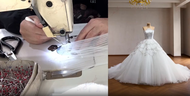
There’s something about a wedding dress made entirely from scratch—stitch by stitch, no shortcuts. Today, we’re sharing how this ballgown came together. The messy bits, the late nights, and a few things we didn’t plan for.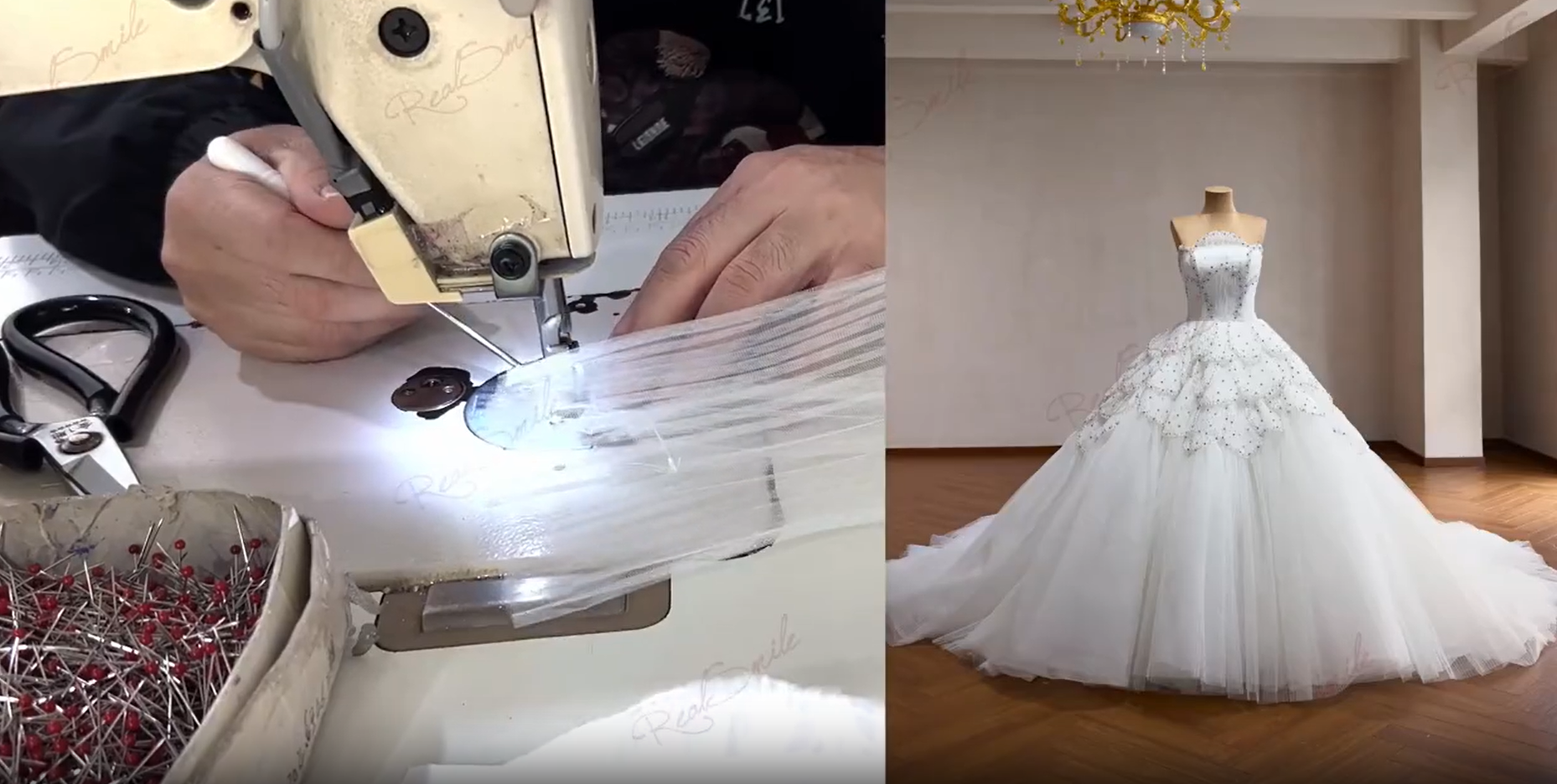
First, a quick confession: our designer really wanted to film every step. But honestly? The workshop has been slammed with orders lately, and our photographer was booked solid. Add tight deadlines to that, and we just couldn’t capture everything. What we did save, though, was the most intense part: gathering all that tulle for the skirt. That alone was worth documenting.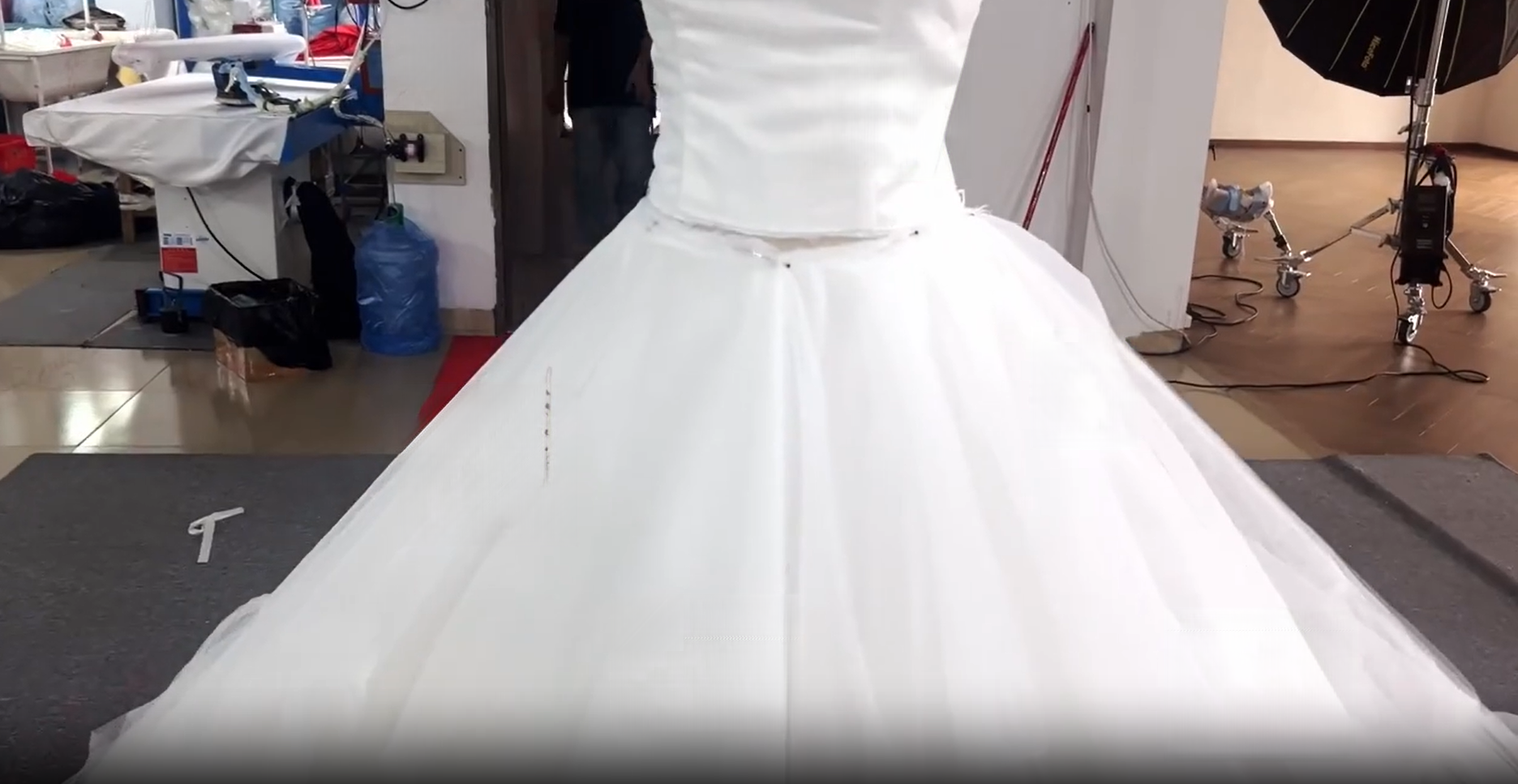
The Skirt: Layers, pleats, and a whole lot of fabric
This gown has eight layers, but the real work is in the top two. We use a special tool to fold each panel into perfectly even pleats, then lock them in with a double stitch on our industrial machines. Those pleats aren’t going anywhere—no matter how much the bride moves or dances.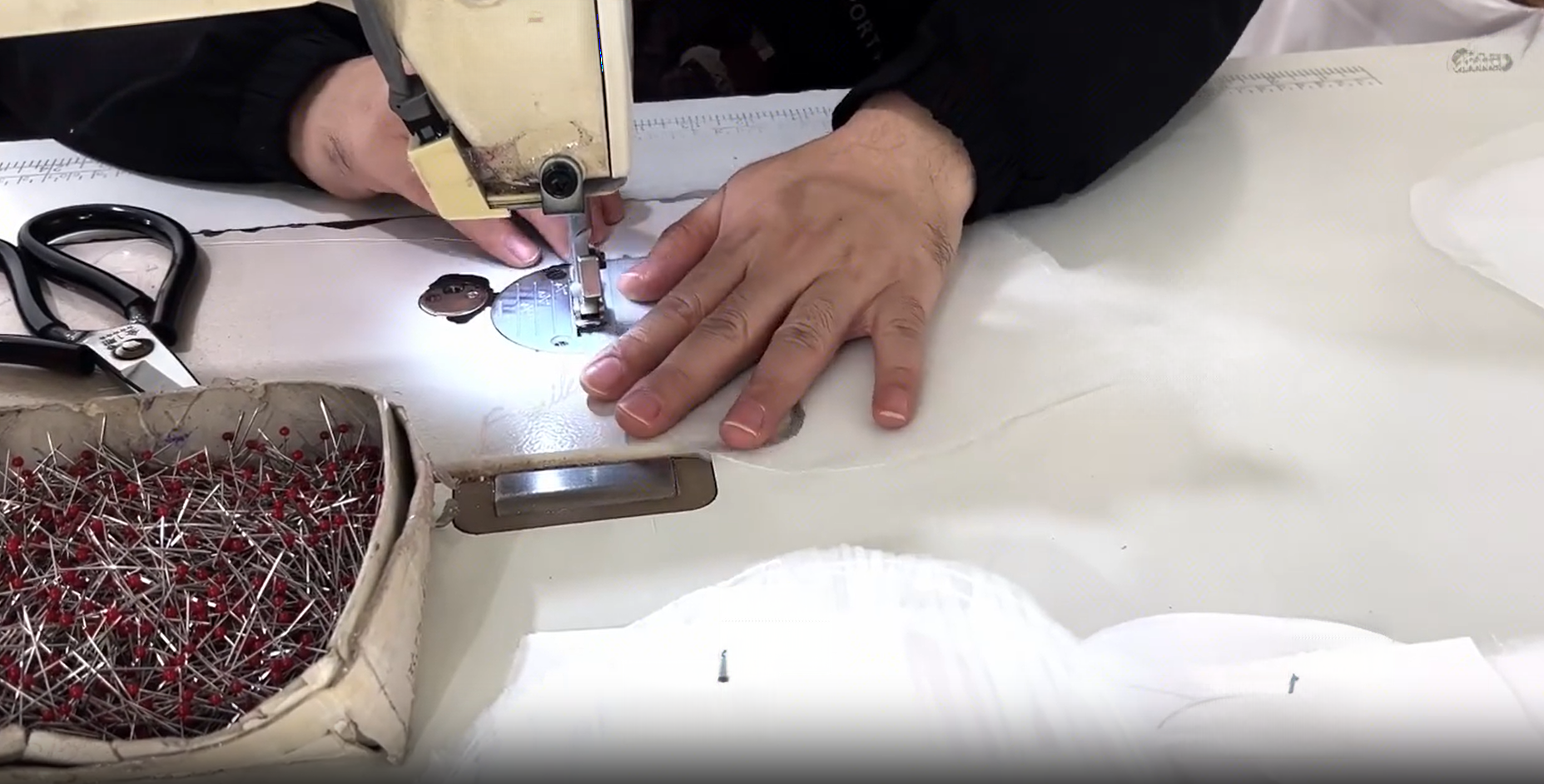
To get that big, dramatic shape you see in the final photos, we cut between 40 and 50 individual pleated panels. Just for the skirt. Then each panel gets gathered, sewn, and pieced together. It’s slow, tedious work. But it’s the only way to make the skirt look soft and structured at the same time—like it floats when you walk.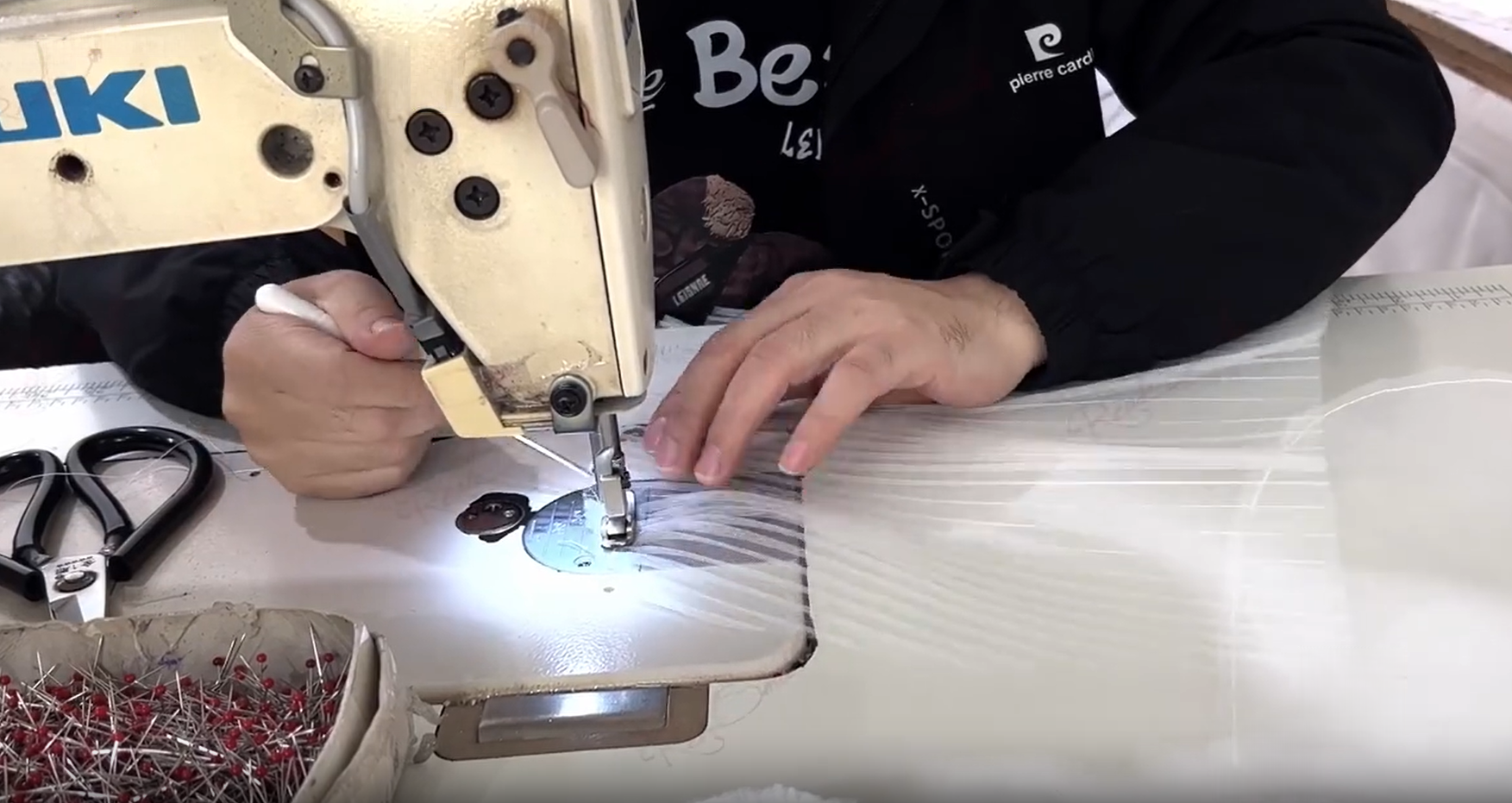
The Bodice: Petals, waves, and tiny beads sewn by hand
We didn’t get video of the bodice being made, but that doesn’t mean it wasn’t a labor of love. The beadwork was inspired by flower petals and ocean waves—sounds fancy, but really, we just wanted every bead and crystal to catch the light differently, so the dress feels alive even when you’re standing still.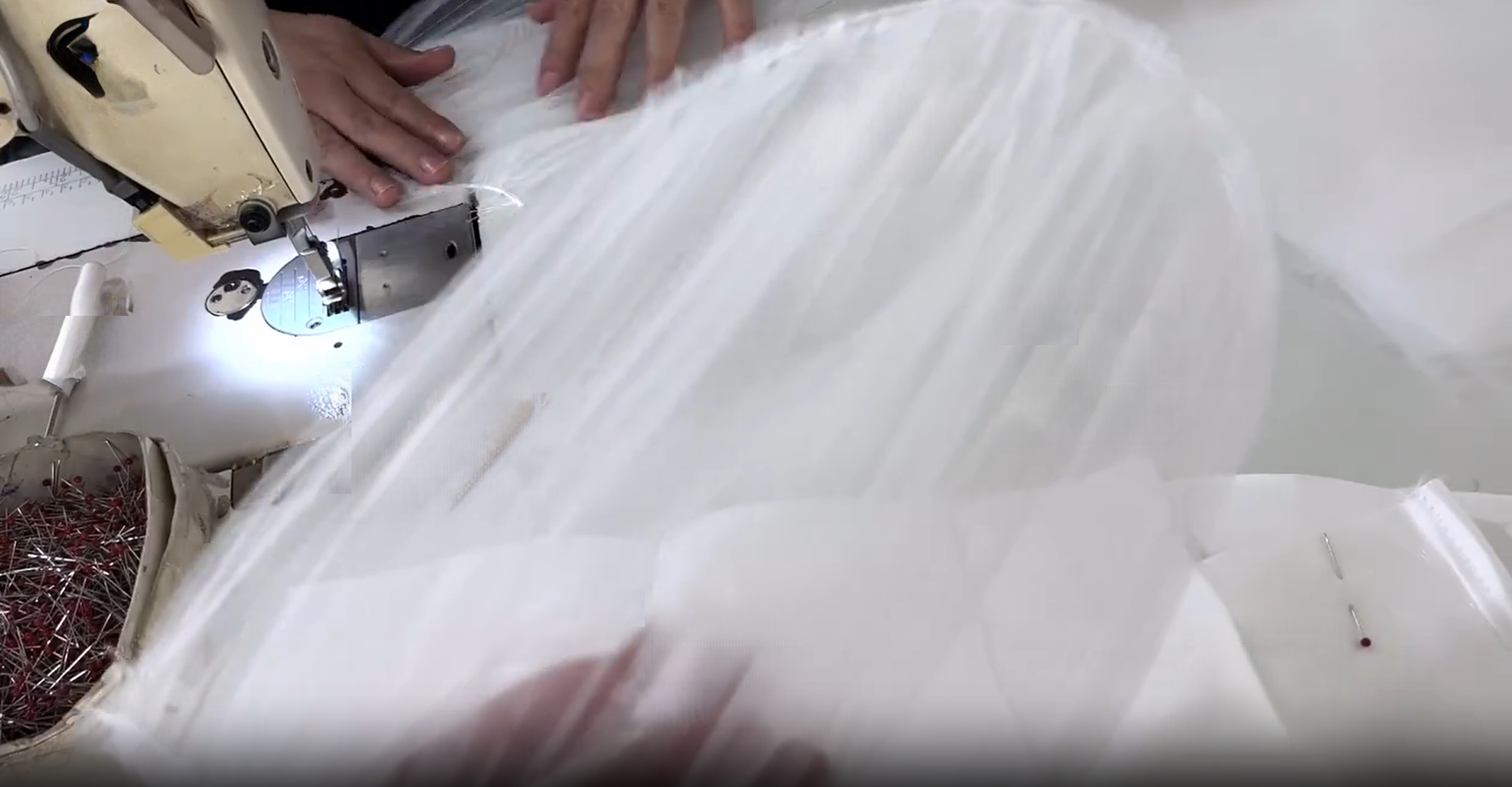
Every single bead is stitched by hand, then reinforced so nothing comes loose on the big day. We start by sketching the design onto each panel, bead one section at a time, and only then assemble the bodice. It’s painfully slow. But honestly? Worth it.
The real truth about couture: you never get it right the first time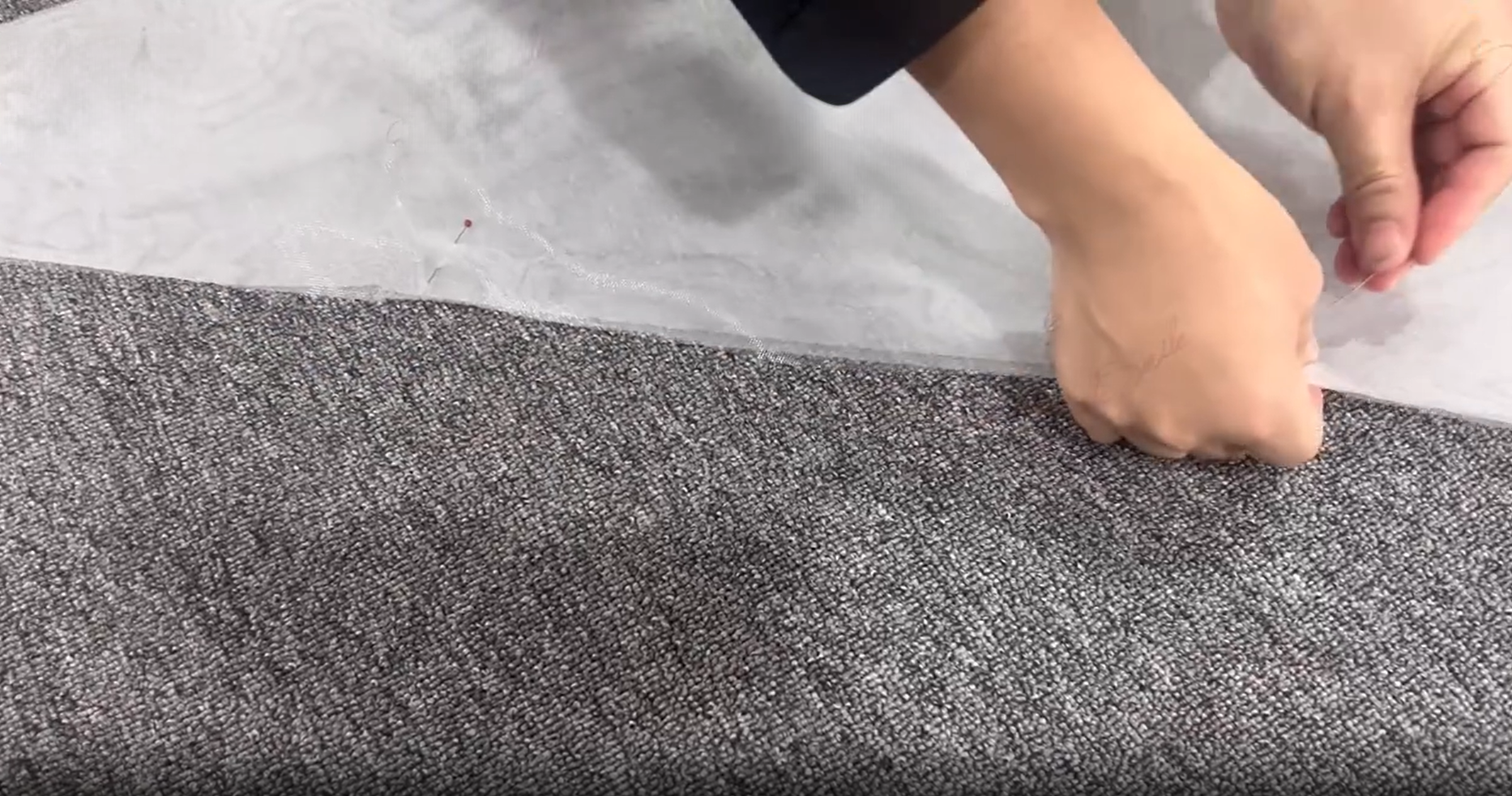
If we’ve learned anything from making high-end wedding dresses, it’s that the first version is never the final version. We had to go back and fix things constantly—adjusting the tension on the fabric, fixing tiny pattern mistakes, redoing the way the tulle fell over the hips. The first prototype was too poofy. Then the bodice didn’t fit right. Every tweak took time, but those small fixes are what turn a decent dress into something you actually dream about.
After 45 days of sewing, fitting, and redoing things, we finally put the finished gown on the mannequin. The tulle layers billowed exactly right. The beadwork sparkled under the lights. Every pleat stayed sharp. Moments like that—yeah, that’s why we do this.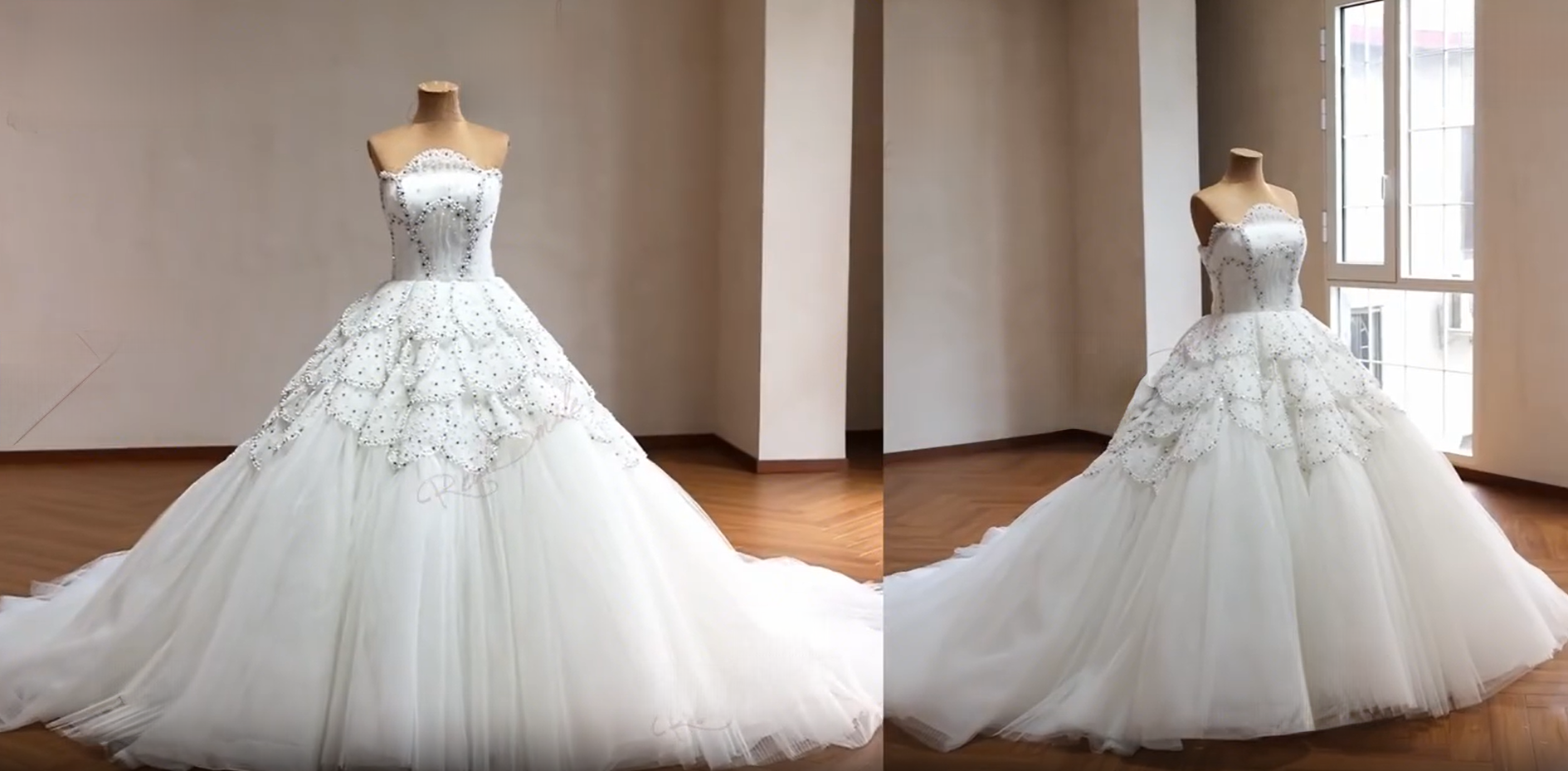
At the end of the day, this custom made wedding dress isn’t just fabric and thread. It’s weeks of passion, patience, and a little bit of last-minute chaos. To the bride who’ll wear it someday: we hope you feel all of that when you put it on.