
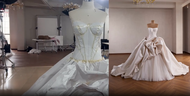
The Making of a Kemedress: From a Single Piece of Fabric to a Custom Gown
18th Jun 2026
We start with a bolt of satin. Not the flimsy kind—this one is heavy, almost rigid, with a gloss that doesn't need a spotlight to show off. We paired it with Swiss tulle, the sort that's so fine you can see your hand through it. Why those two? Because the satin holds a crease like nothing else, and the tulle gives just enough air underneath to keep the whole thing from feeling like armor.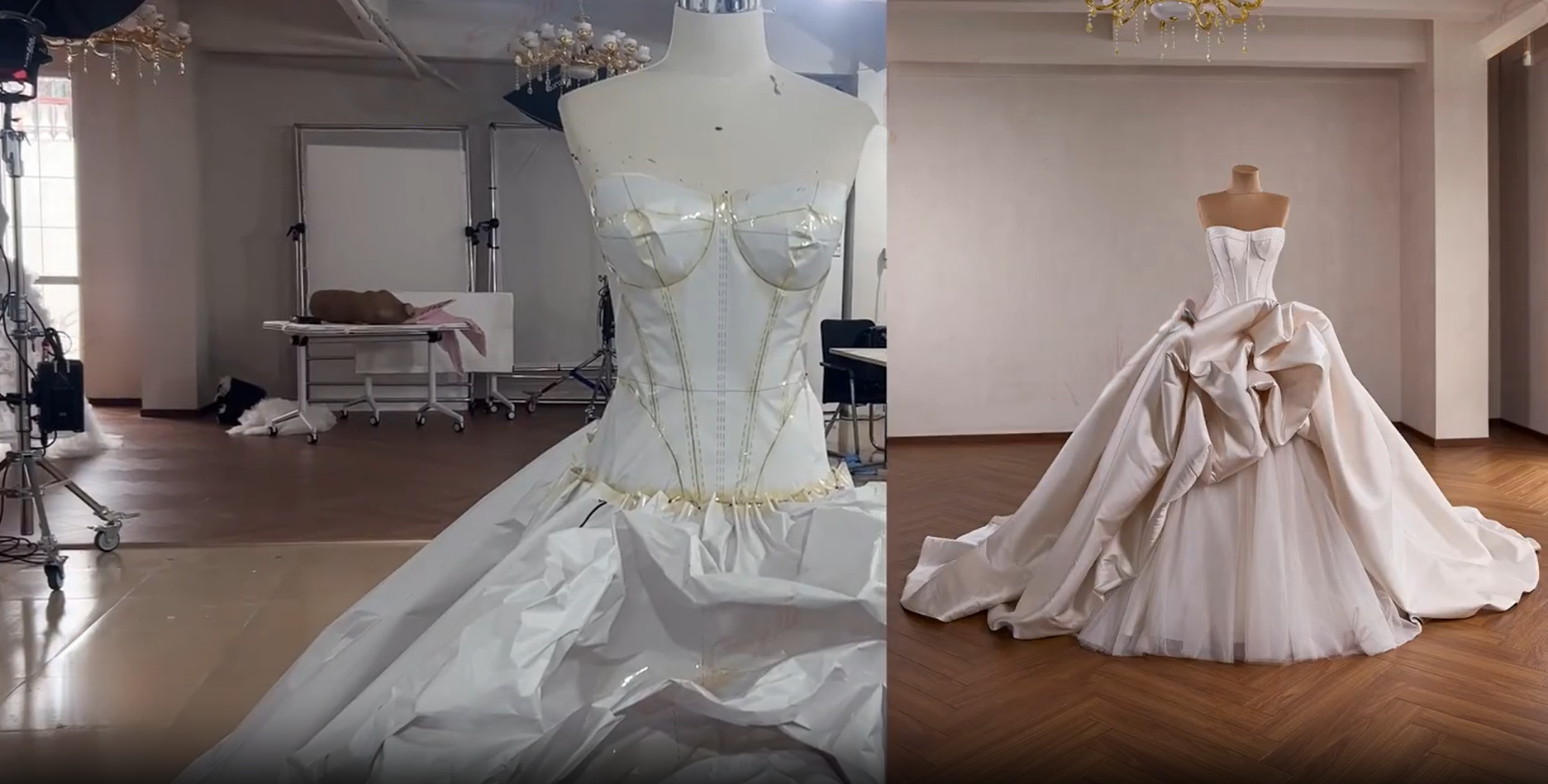
The design comes from a single idea: big, sculptural folds across the front, like fabric caught in a breeze, but frozen. No beads, no crystals—just the cloth doing the work. We drew it, redrew it, and then threw out the drawings because draping on a body form tells you more than paper ever will. The bubble had to sit exactly here—too high and it looks comical, too low and it drags the eye down. We pinned and unpinned for two days before we agreed.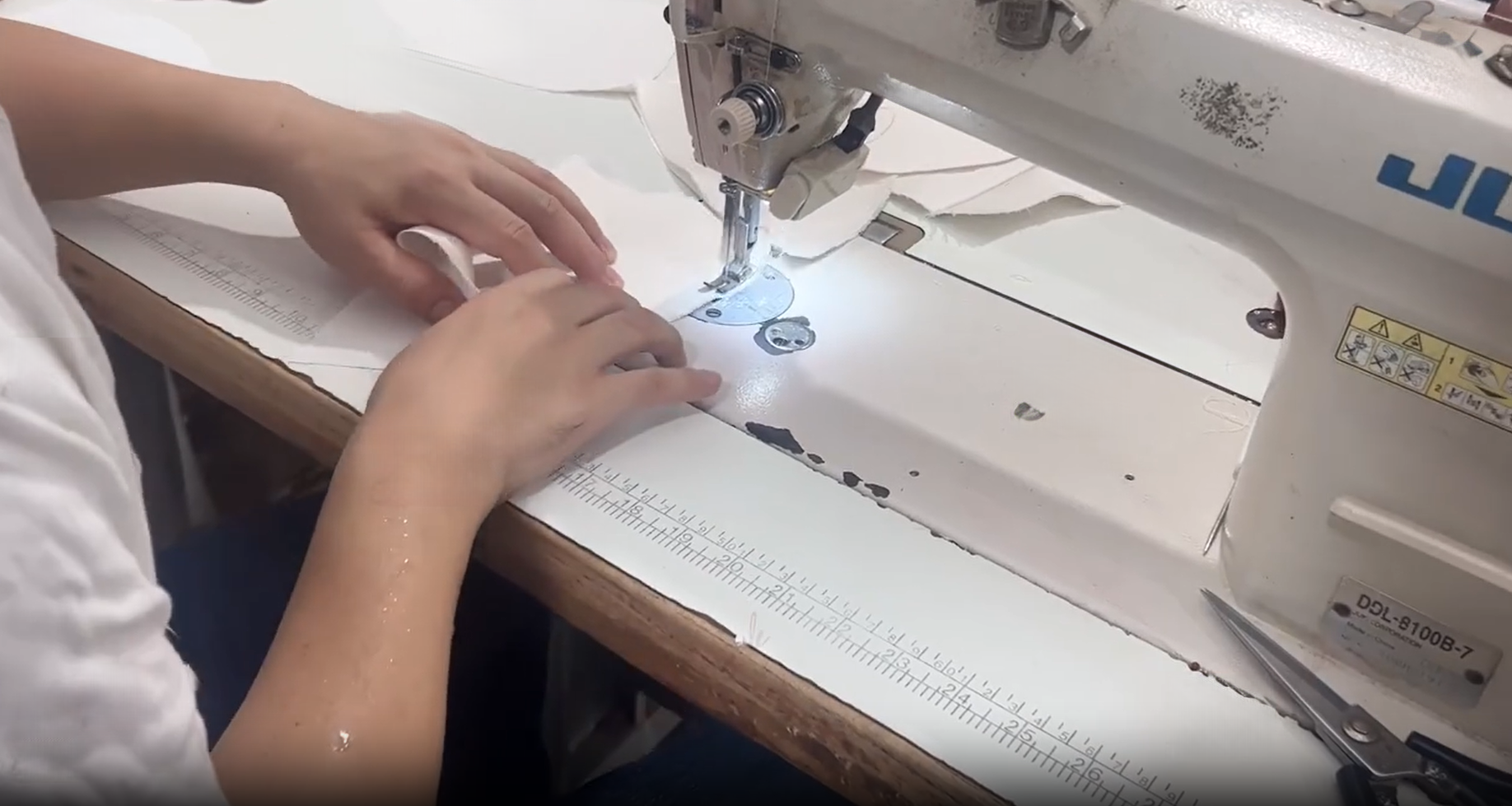
Cutting is where it gets tense. One wrong snip and that panel is firewood. We break the dress into maybe twenty individual pieces—the side panels are cut on a slight angle, not straight, because straight won't pull your waist in the way we want. Our cutter has been doing this for thirty years; he doesn't use a laser guide, just his eye and a pair of shears that he sharpens every morning. He'll tell you if the satin is having a bad day (humidity makes it stretch weirdly) and we'll wait for a drier afternoon.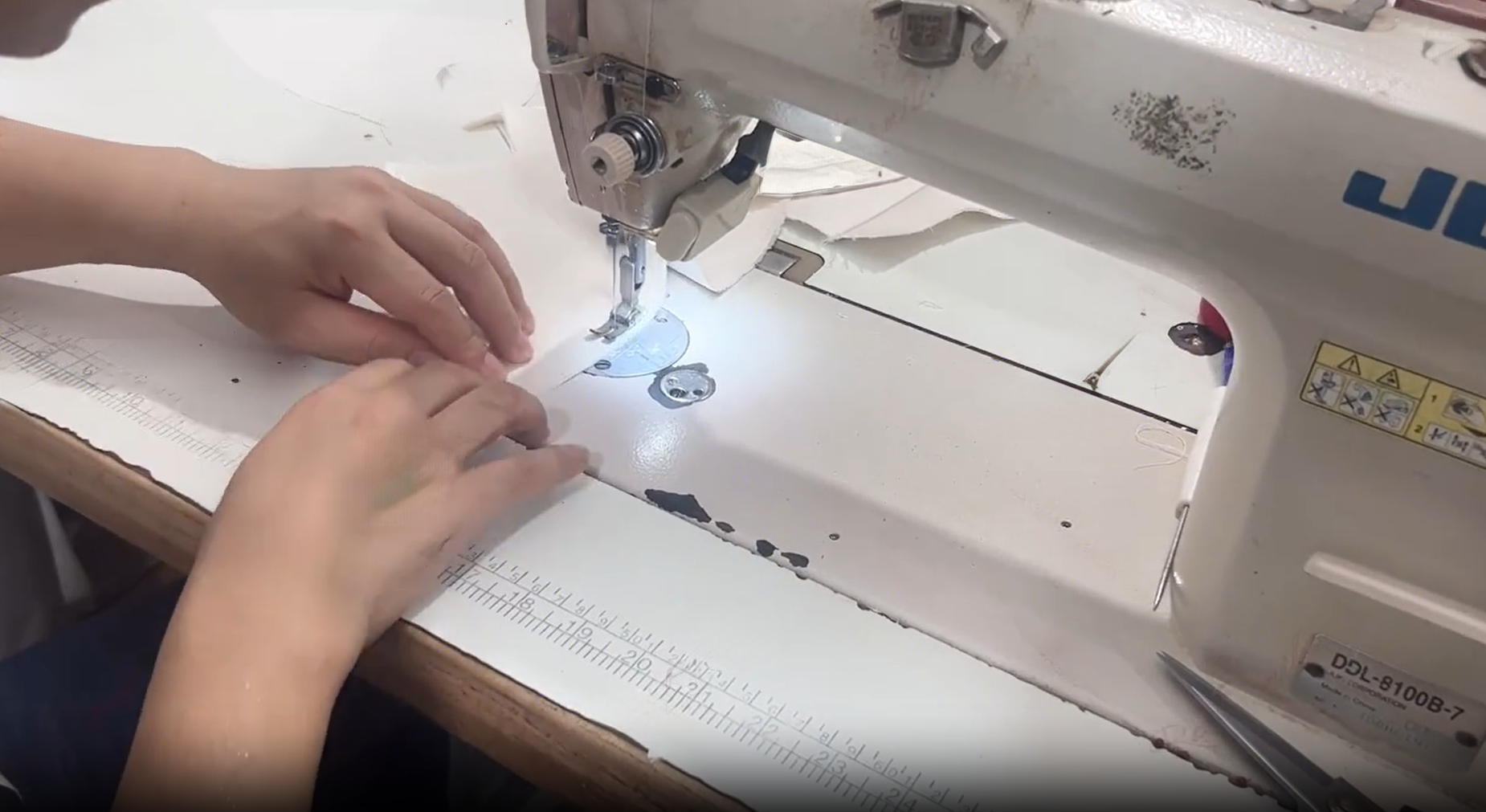
Inside the bodice, we sew in ten bones. Why ten? We tried eight—the front kept wrinkling around the bust. Twelve was overkill and made the dress feel like a cage. Ten is the sweet spot. Each one is hand-stitched into its channel, not machine-pressed, because machines don't feel when the bone is about to poke through. It's tedious, but nobody ever complained about a dress that stayed up all night without readjusting.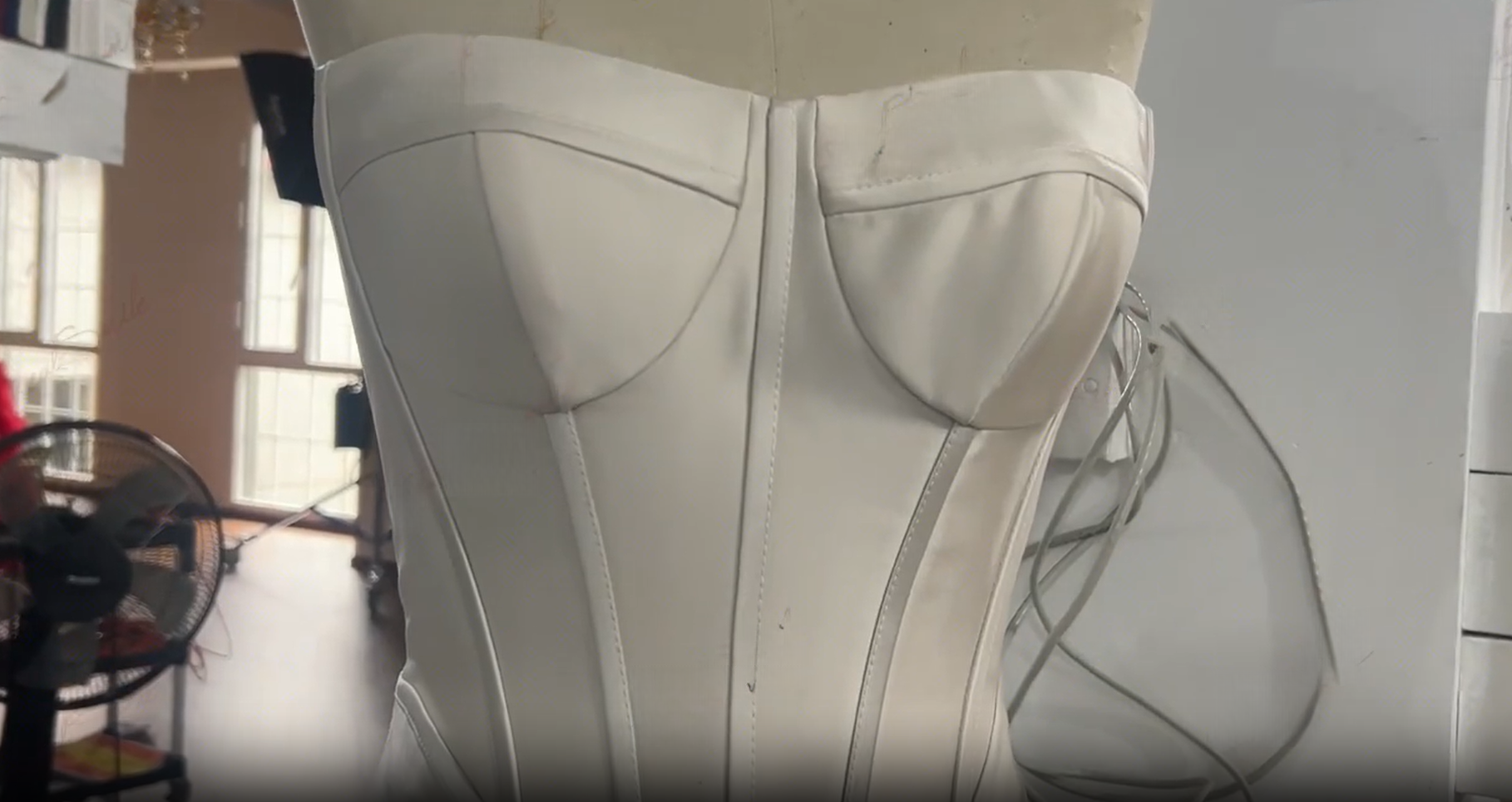
The front draping—that's where time disappears. Each fold gets pinned, unpinned, repinned until the volume looks effortless. Then we stitch stabilizing threads into the inner layers, hidden, so the shape doesn't collapse after the first dance. It's not glamorous work; your fingers get sore, and the satin leaves oil marks if you're not careful. But it works.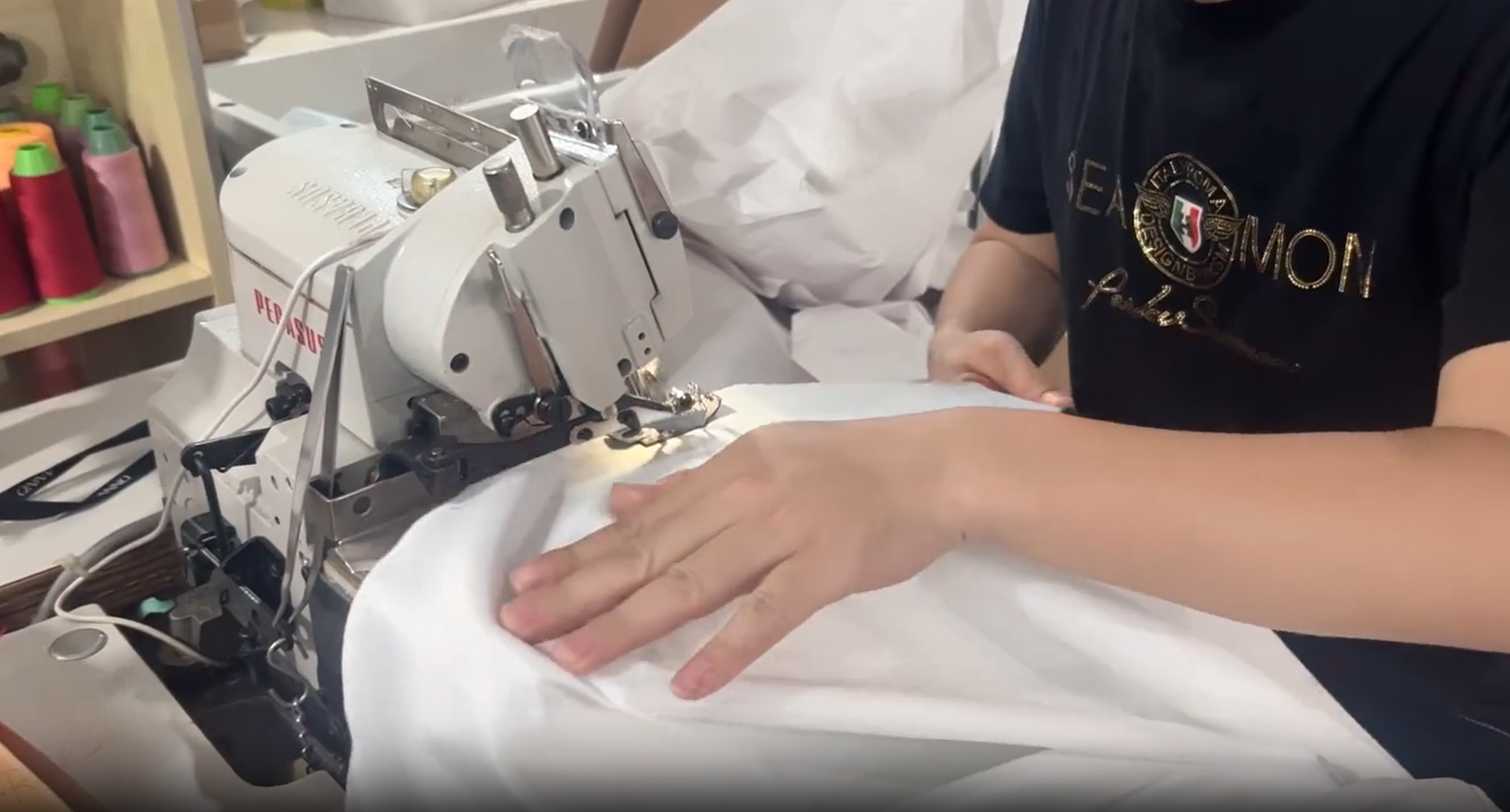
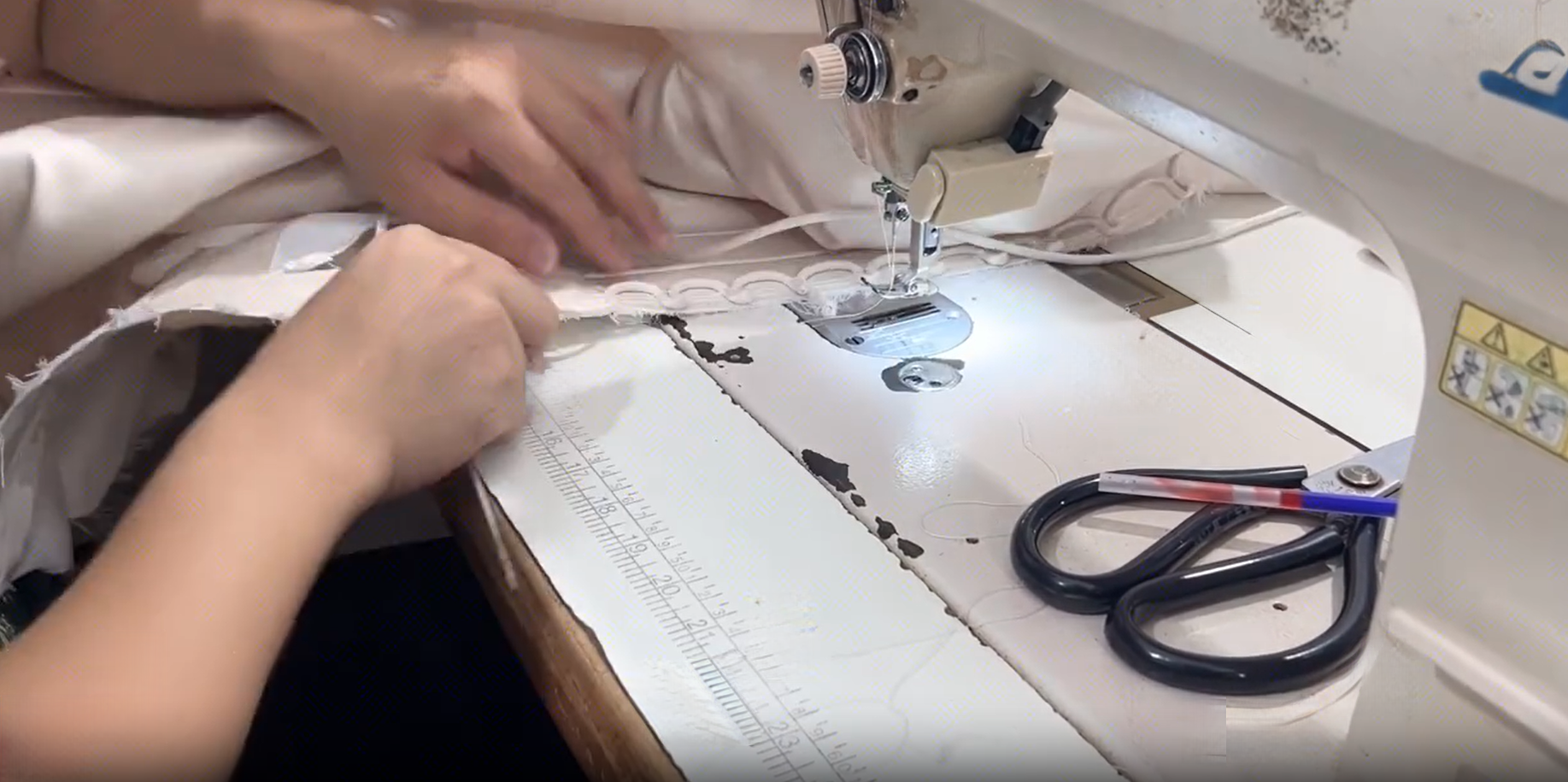
At the back, the lacing is tucked inside. You can't see it from outside—no exposed ribbon, no bulky knot. It's a pain to thread because the channel is narrow, but that's the point: clean lines. And because it cinches, the same dress can fit a tiny frame or a curvier one with just a few extra pulls.
The skirt layers out with more tulle and satin, all in a pale champagne color—not too pink, not too gold. We let it sweep into a train because a ball gown should leave a mark on the floor. Once everything's sewn, we steam it on the form, not with a fancy machine but with a hand iron and a lot of patience. Steaming satin is tricky—too hot and it loses its shine; too cold and the wrinkles stay.
This dress ends up at galas, weddings, quinceañeras—whatever. One bride wore it to her reception and then again to her sister's engagement party. Another customer wore it to a charity dinner and told us she got asked about it six times. We don't design for a specific occasion; we just design for a woman who wants to feel like herself, but sharper.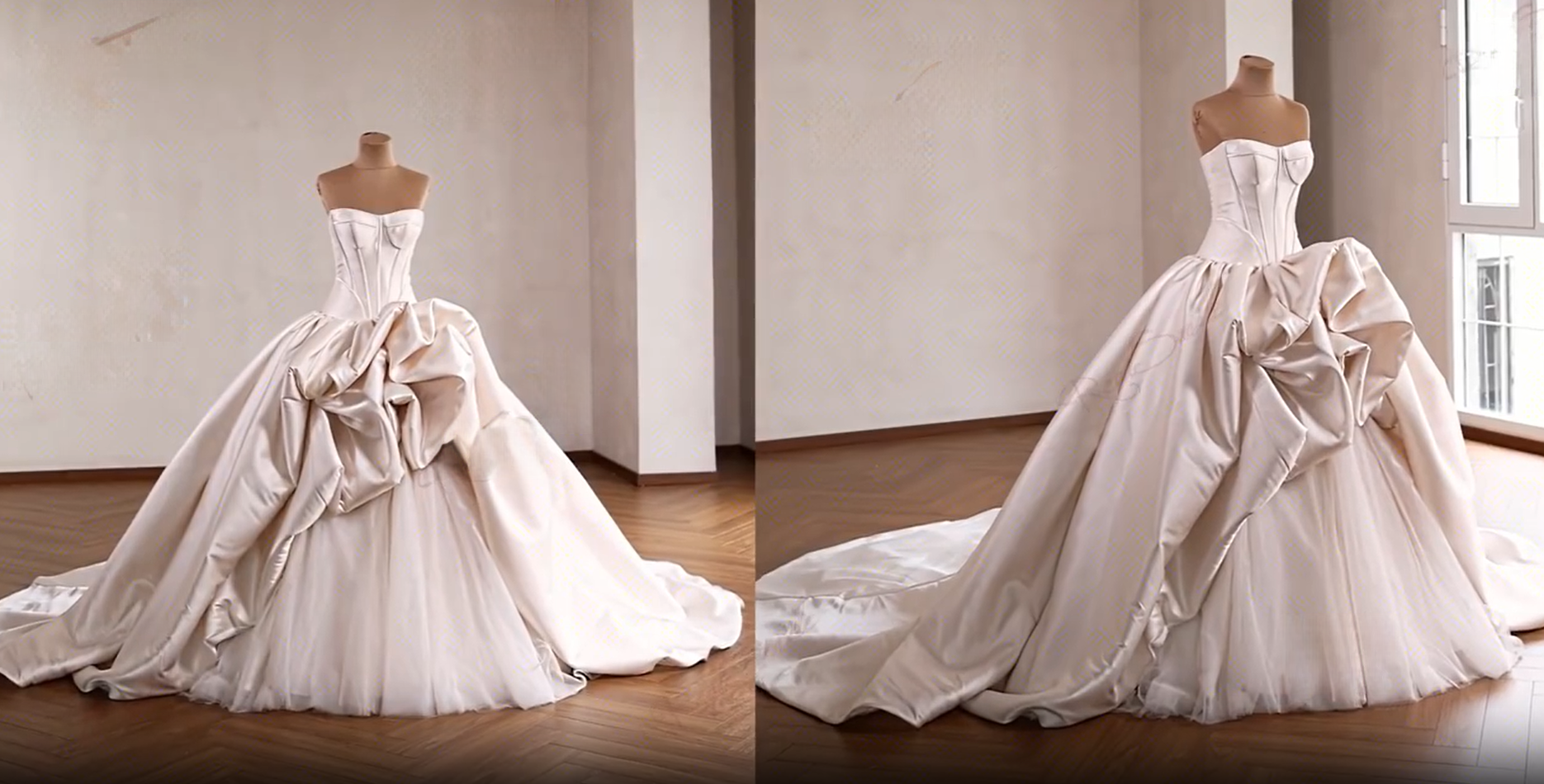
Look, we're not philosophers. We don't think we're saving the world with a dress. We just know good fabric, we know how to cut it, and we know not to rush the stitching. That's really all there is to it. If you put that much care into something, it shows—whether you're looking at it up close or from across the room.