
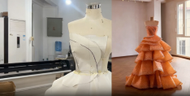
Orange Beaded Tulle Prom Dress: Real Craftsmanship Vs Fast Fashion
25th Jul 2026
Right now there are three of us sitting at the beading frames in the back of the shop, and if you listen close you can hear the tiny click of tambour hooks against tulle, and Linda complaining that she dropped another tube of tangerine beads under the table again. We’ve been cranking out this orange beaded tulle prom dress for two months straight now, and I’ve had a dozen people DM me asking how we actually make the thing, so I figured I’d just write it down instead of typing the same answer 12 times. No marketing speak, no “luxury craftsmanship” buzzwords, just what happens on the floor.
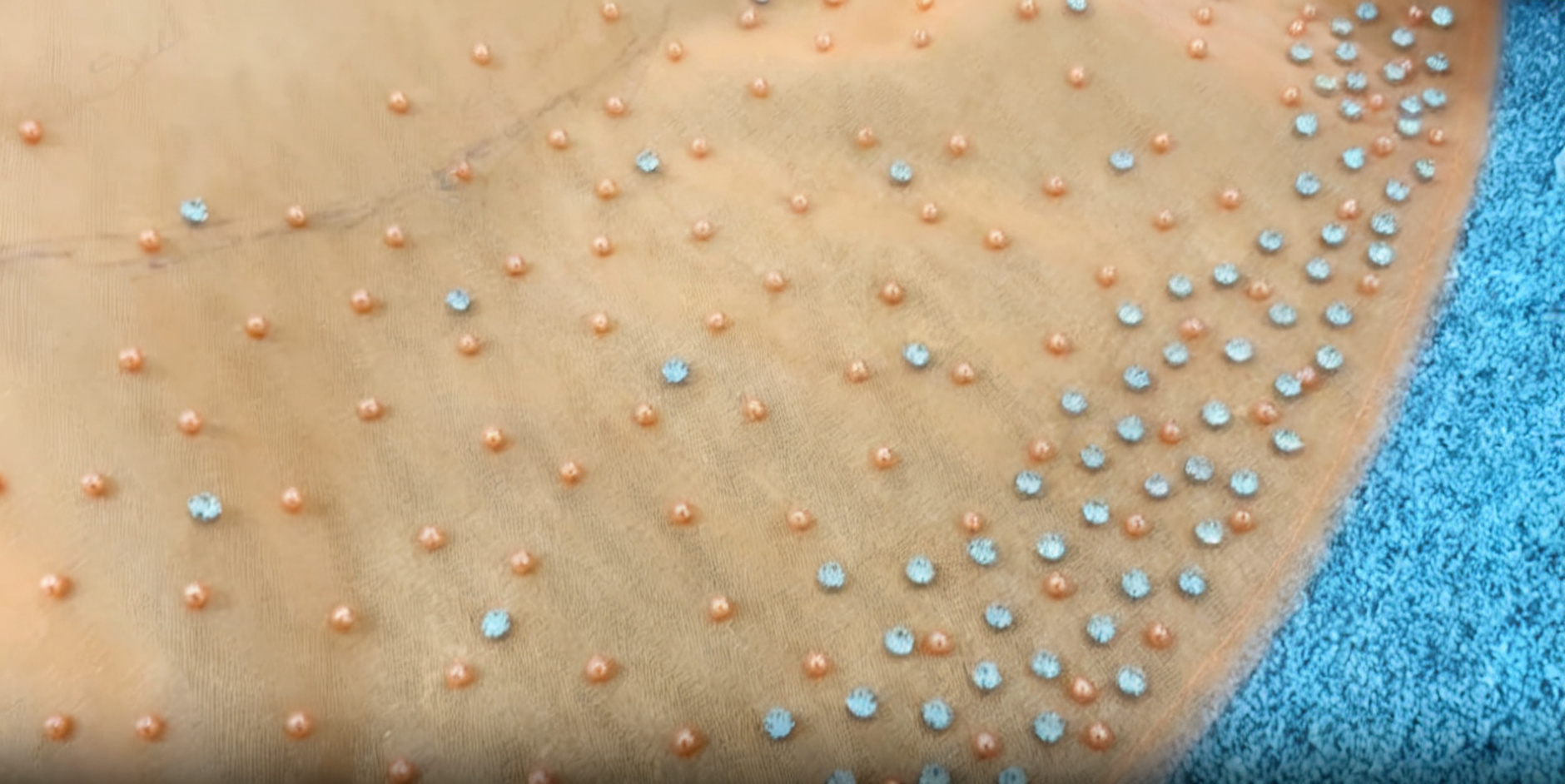
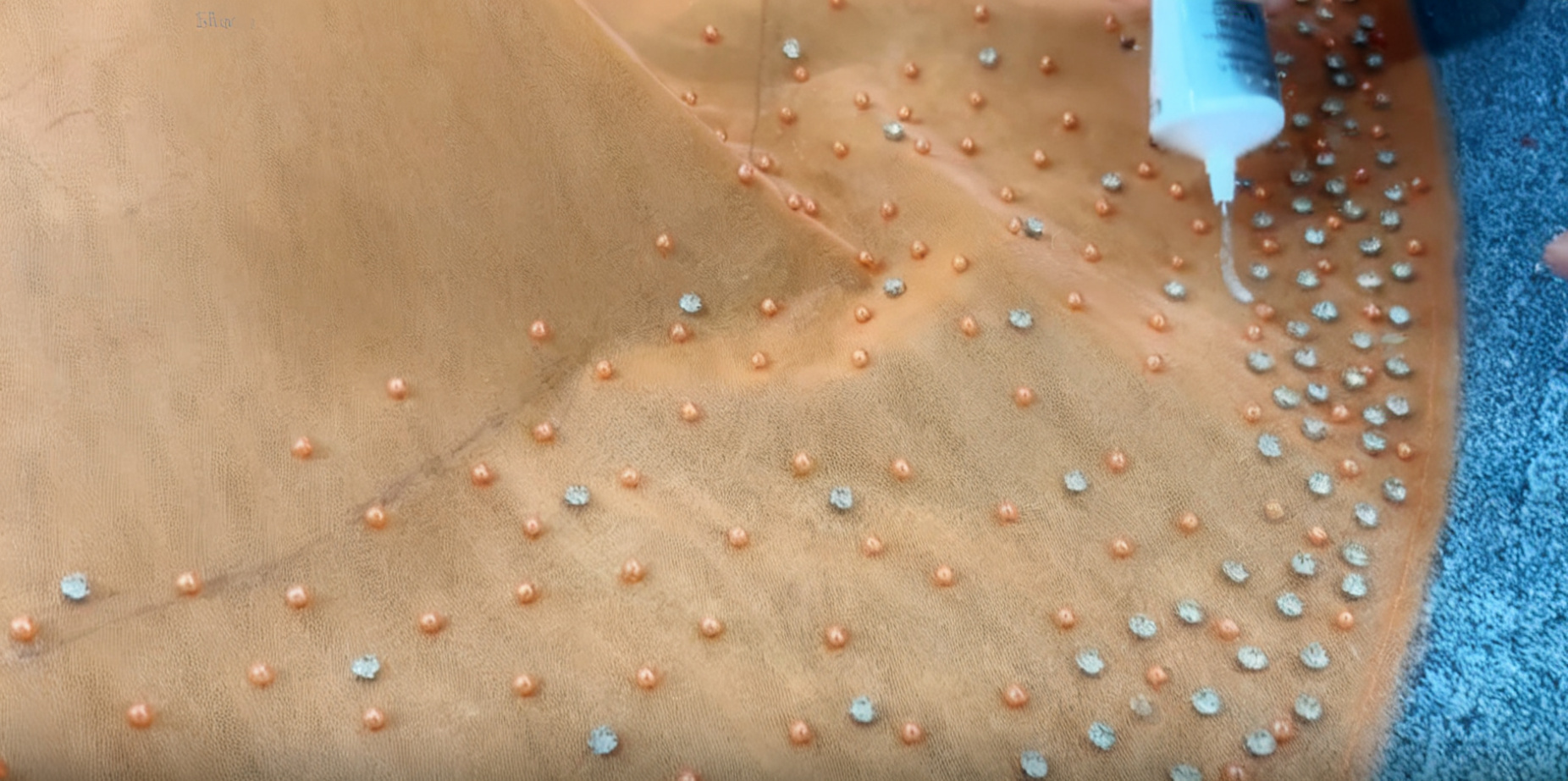
First off, let’s get the beading thing out of the way because everyone asks this. I see those cheap fast fashion listings that say “hand beaded” and they’re just gluing beads on with fabric glue. Save your money. That glue yellows after two wears, it seeps through the tulle and leaves stiff crunchy spots that crack when you sit down, and half the beads fall off before you even get through the grand march. We don’t glue beads on. Not one.

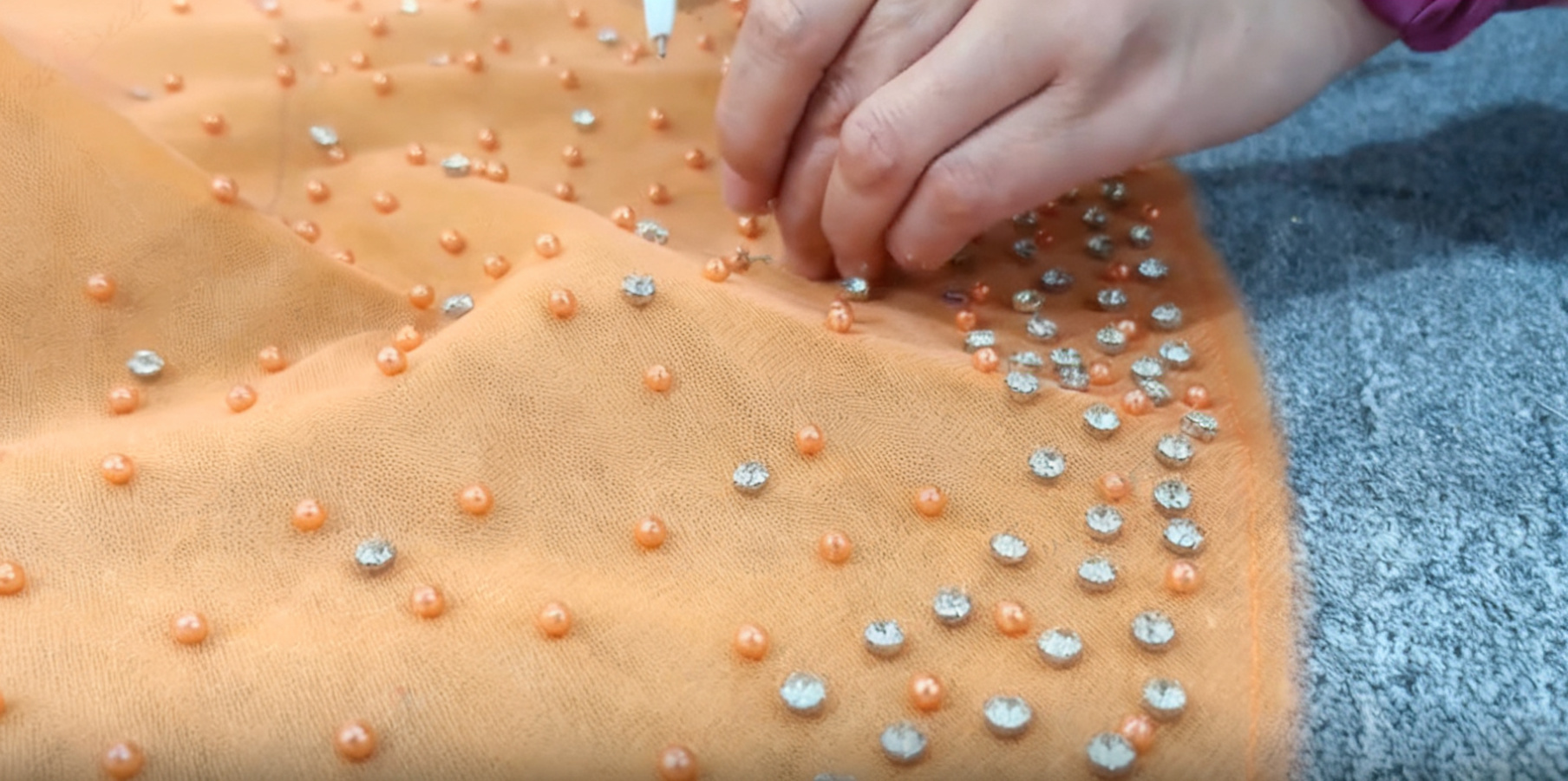
We use a Lunéville tambour hook, the same one they use for French couture embroidery. We stretch every tulle panel drum-tight on a wooden frame first—if there’s any slack in the fabric, the beads sit crooked and the thread pulls when you move. All the beading is done from the back of the fabric, hooking the pre-waxed silk thread through the mesh and stringing one bead at a time. It’s slow. It’s mind-numbing. Your wrist aches by lunch.
For a standard size 6, that’s just a hair over 20,000 beads total—crystal AB, matte tangerine, and pale gold, gradiented darker at the waist fading lighter down the skirt. For a size 20, that jumps to almost 26,000, because the skirt panels are 8 inches wider around, and we don’t thin out the beading just to save an hour of work. The pattern has to look the same no matter what size you order.
One person does nothing but bead these dresses, 8 hours a day, and it takes 11 days to finish one full set of panels. 11 days. Linda’s fastest time is 10 days flat, and we bought her a donut for it. We only use one tiny dot of E6000 on the very last knot of each bead cluster, just to keep the thread from fraying if it catches on something. That’s the only glue on the whole dress. And for the record? You will still lose 2 or 3 beads if you dance hard all night or catch the skirt on a bleacher edge. That’s not a defect, that’s physics. We send a little bag of extra beads and a needle and thread with every dress for exactly that. Anyone who tells you their hand-beaded dress never loses a bead is lying to you.
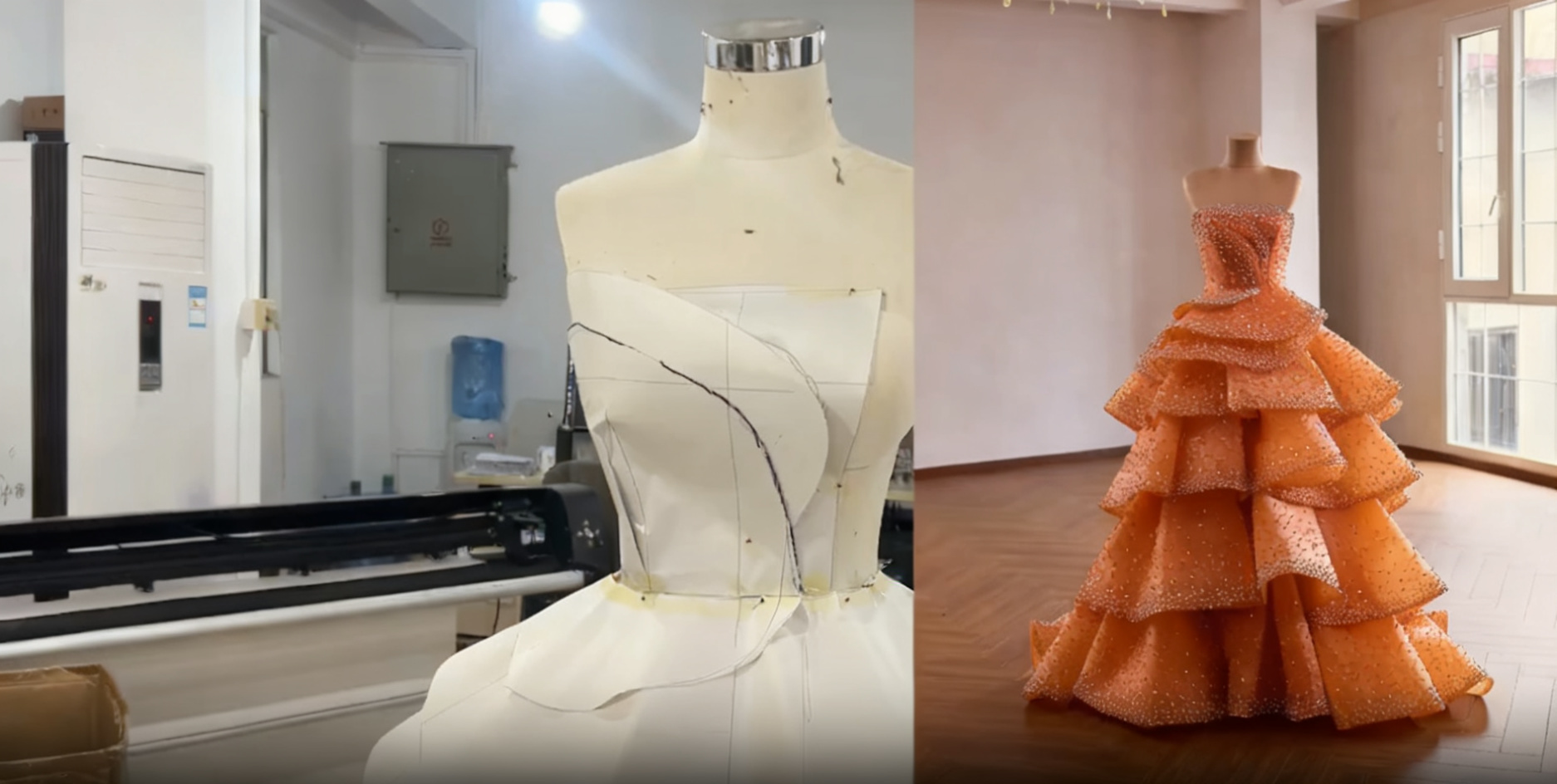
Let’s back up to the cutting part, because I saw some sewing blog the other day saying you have to lay tulle out for 24 hours to “let it rest.” Don’t be ridiculous. Nylon tulle is plastic mesh. It doesn’t get stressed. We lay it out single layer on the cutting table for 10 minutes while we sort the bead tubes, that’s all it needs. Any longer and it just collects dust from the scissors. We don’t pin it, either—pins leave permanent tiny holes in tulle that you can see in the light. We use metal fabric weights and a fresh rotary cutter blade, one slow pass at a time. Dull blades pull the mesh and leave jagged edges.
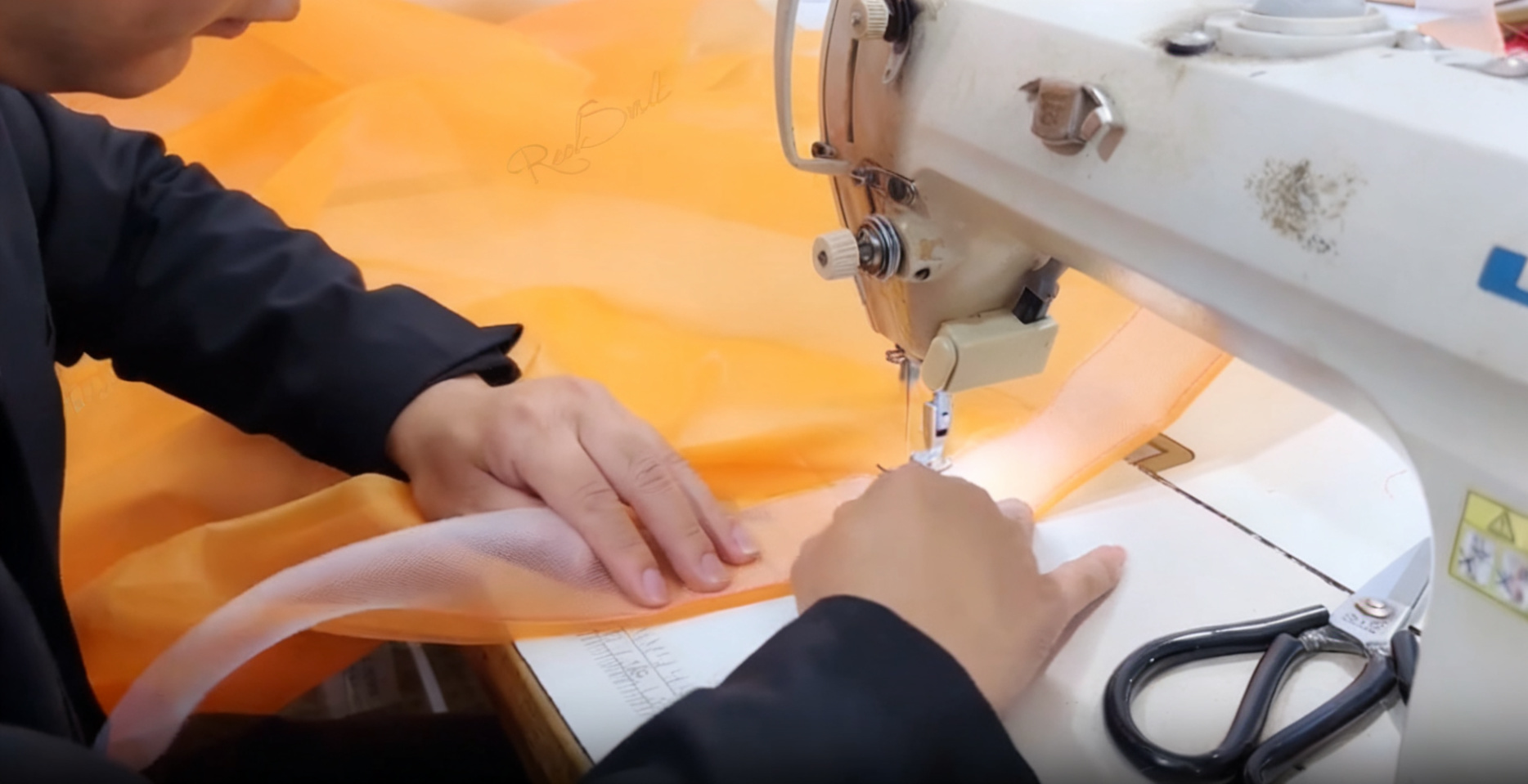
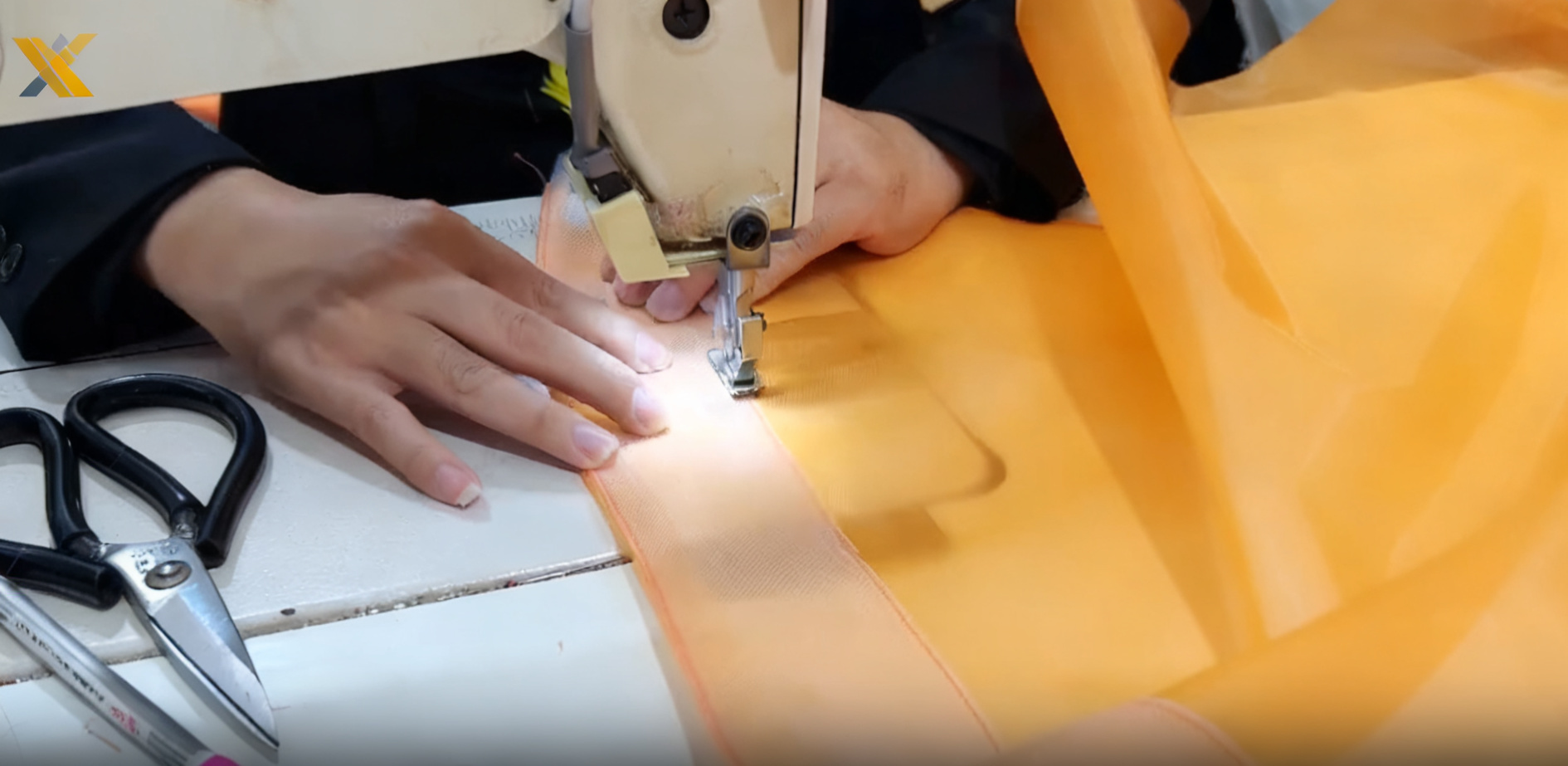
And for the love of god, we don’t run every single raw edge through the serger before we sew. That’s the fastest way to make a tulle dress look like a cheap Halloween costume. All those layers of serged thread build up into hard lumpy ridges you can see right through the mesh. We do French seams on every single tulle panel. Sew wrong sides together first at 3/8 inch, trim the seam allowance down to 1/8 inch real close, flip it so right sides are together, sew again at 1/4 inch. All the raw edges get locked inside the seam, no bulk, no scratchy bits rubbing your arms all night. It takes twice as long as serging, but you can turn the dress inside out and run your finger over every seam and you won’t feel a single rough edge. The bodice lining is stretch satin, with 4 plastic bones in the side seams—no metal bones, they dig into your ribs when you sit down for dinner.
We don’t just sew flat pattern pieces together and call it a day, either. Every bodice gets draped on the dress form first. Last week we reworked the off-the-shoulder neckline on the size 16 three times because it kept slipping down. We kept tightening the elastic and it didn’t help—turns out we just needed to take a quarter inch off the top of each shoulder seam. That’s the stuff you don’t get from a downloaded digital pattern. We stand back, squint, pin, repin, make the model (aka Linda, who gets a free dress out of it every quarter) turn around, sit down, raise her arms, to make sure nothing pulls or rides up. If the tulle on the skirt isn’t falling exactly even, we take it apart and adjust the waist seam. It’s annoying. It adds hours. But there’s no other way to get it to sit right.
Once all the panels are beaded, we let them sit for two days before we sew them together. Not because the tulle needs to rest—because the thread tension needs to settle. If you sew beaded tulle the same day you finish the embroidery, the seams pucker later. Learned that the hard way 12 years ago, when we shipped a whole batch of red prom dresses and half of them had puckered waist seams by the time they got to the customers. Never again.

Final assembly takes a full day. Invisible zipper down the back, heavy duty, not those flimsy plastic ones that break when your friend is yanking it up 10 minutes before you have to leave. We hand-tack the tulle layers at the hem so they don’t twist around when you walk. Then three of us go over every inch of the dress, running a soft cloth over the beading to catch any loose threads, checking every seam, steaming the tulle on the lowest heat setting (too hot and tulle melts, ask me how I know). We snip every loose thread, count the extra beads to put in the little bag, and fold it in tissue paper.
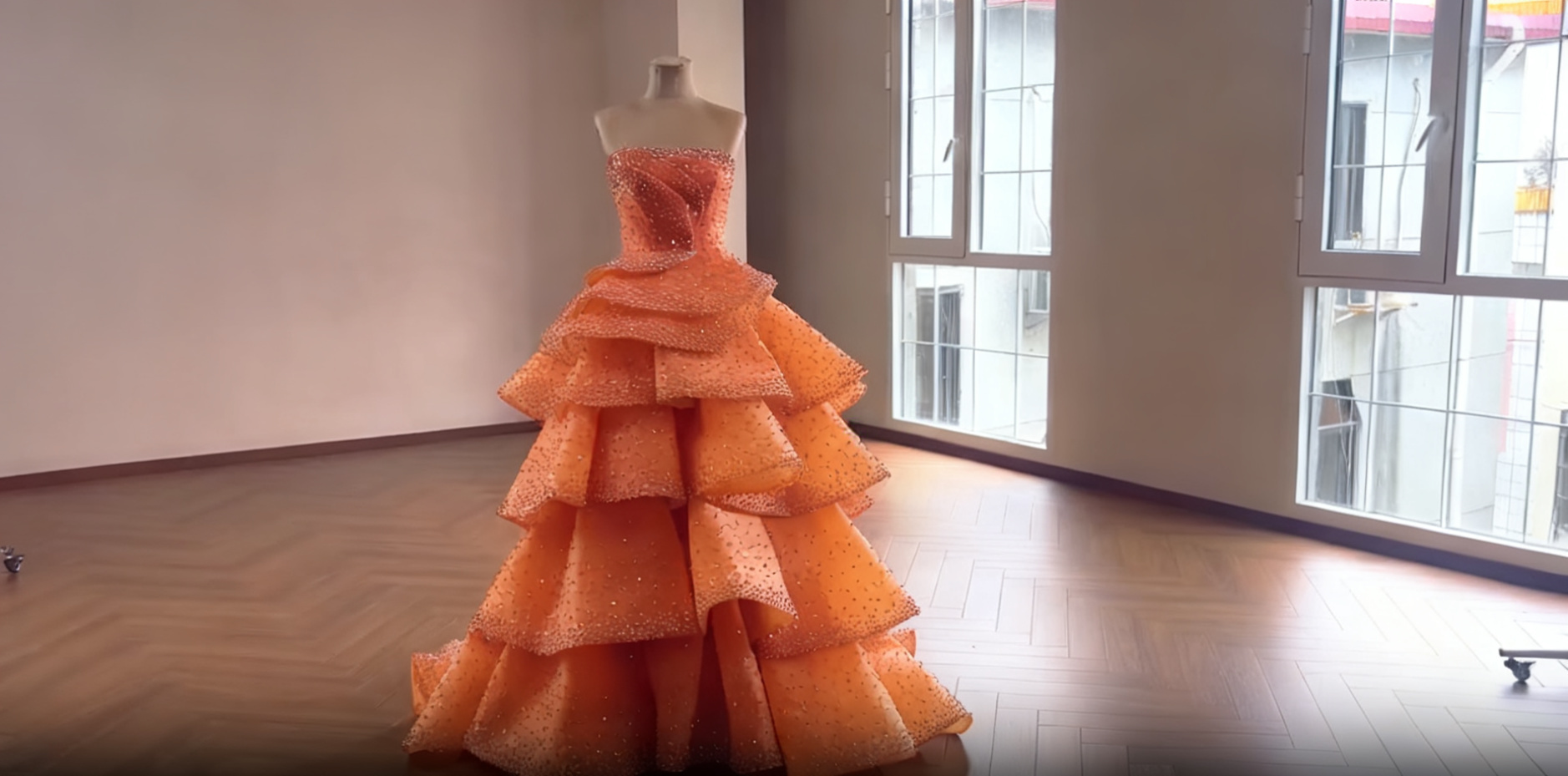
People ask if it’s worth it, sitting here for 11 days straight hooking beads one by one, going home with pricked fingers and beads in the cuffs of my jeans. Last month a kid from Ohio sent us a photo of her in this dress at her prom, covered in confetti, grinning with her friends, and you could see the orange beads catching the gym lights like little bits of sunset. Yeah. It’s worth it.
Just don’t tell Linda I said that. She’ll make me crawl under the table and pick up all the beads she dropped today.
P.S. If you order this dress, for the love of all that is holy, don’t put it in the washing machine. Spot clean it, hang it on a padded hanger, and if you get punch on it, take it to a dry cleaner who knows how to handle beaded fabric. I will personally come to your house and be mad at you if you throw it in the washer.
More Prom Dress Making Stories
Explore hand beading, feather work, appliqués and layered fabrics across different custom prom gowns.
Discover another approach to detailed surface decoration.
Explore the careful work behind feather embellished formalwear.
See how detailed stitching contributes to couture construction.
Compare another heavily embellished layered gown.