
One Black Ball Gown, 6 Looks: Behind the Making
29th Aug 2026
One Dress, Six Looks: Inside the Making of the Dark Rose Ball Gown
A black satin and tulle gown with hand embroidered roses, a reversible corset and detachable layers designed to transform throughout the night.
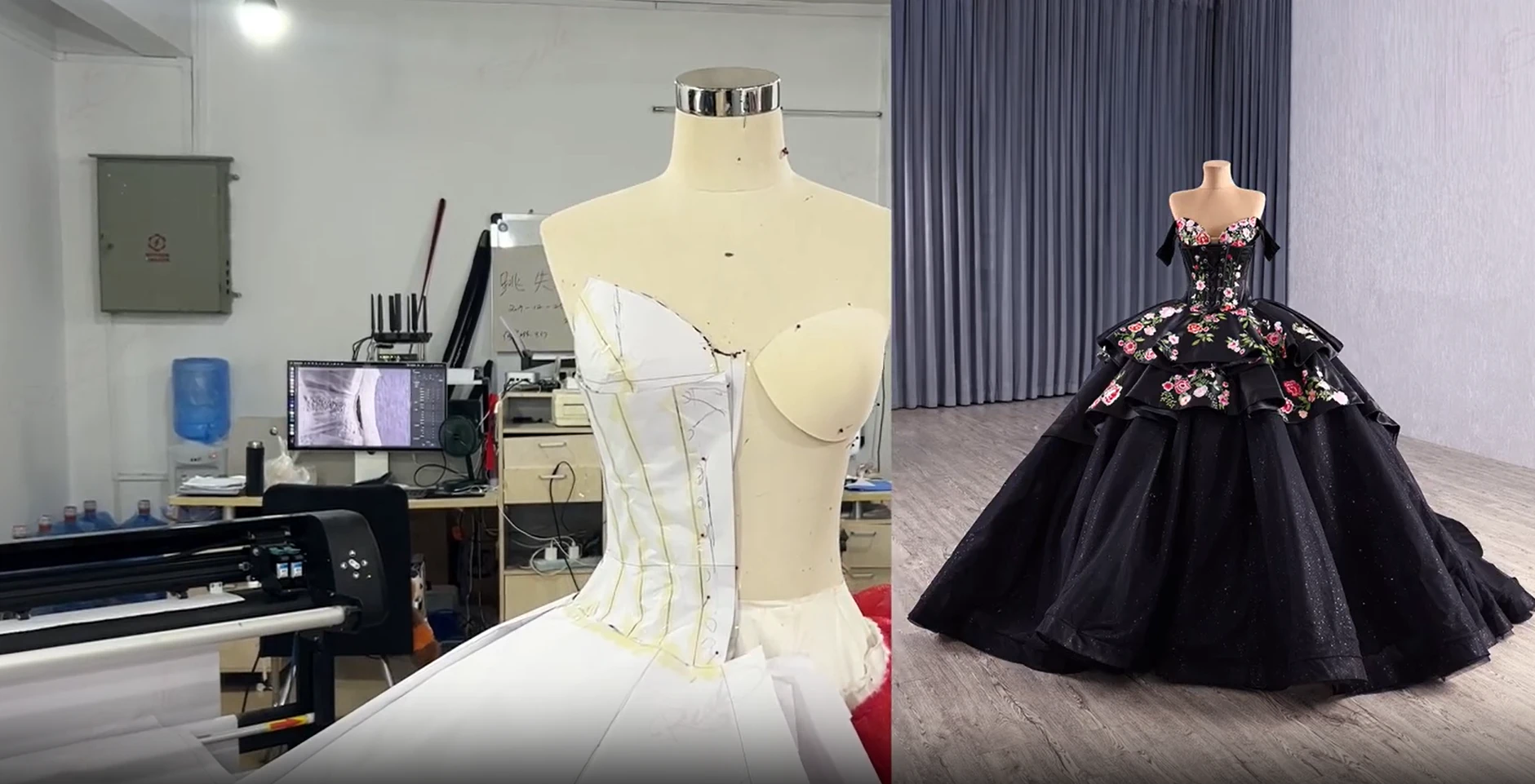
Some gowns are designed around one final silhouette. Others are built with transformation in mind from the first pattern. The Dark Rose belongs to the second group.
The finished design combines black satin, layers of tulle and white net with hand embroidered roses in pink and red. A detachable overskirt, reversible corset and removable jacket allow the same gown to move from a dramatic full ball gown into a shorter evening look.
What makes the design interesting is not simply the number of ways it can be worn. Each transformation had to be considered during construction, so every separate piece would still look intentional when worn together or on its own.
The jacket, corset, overskirt and shorter base were developed separately, then tested together so the proportions remained balanced in every configuration.
The Shape Comes Before the Embroidery
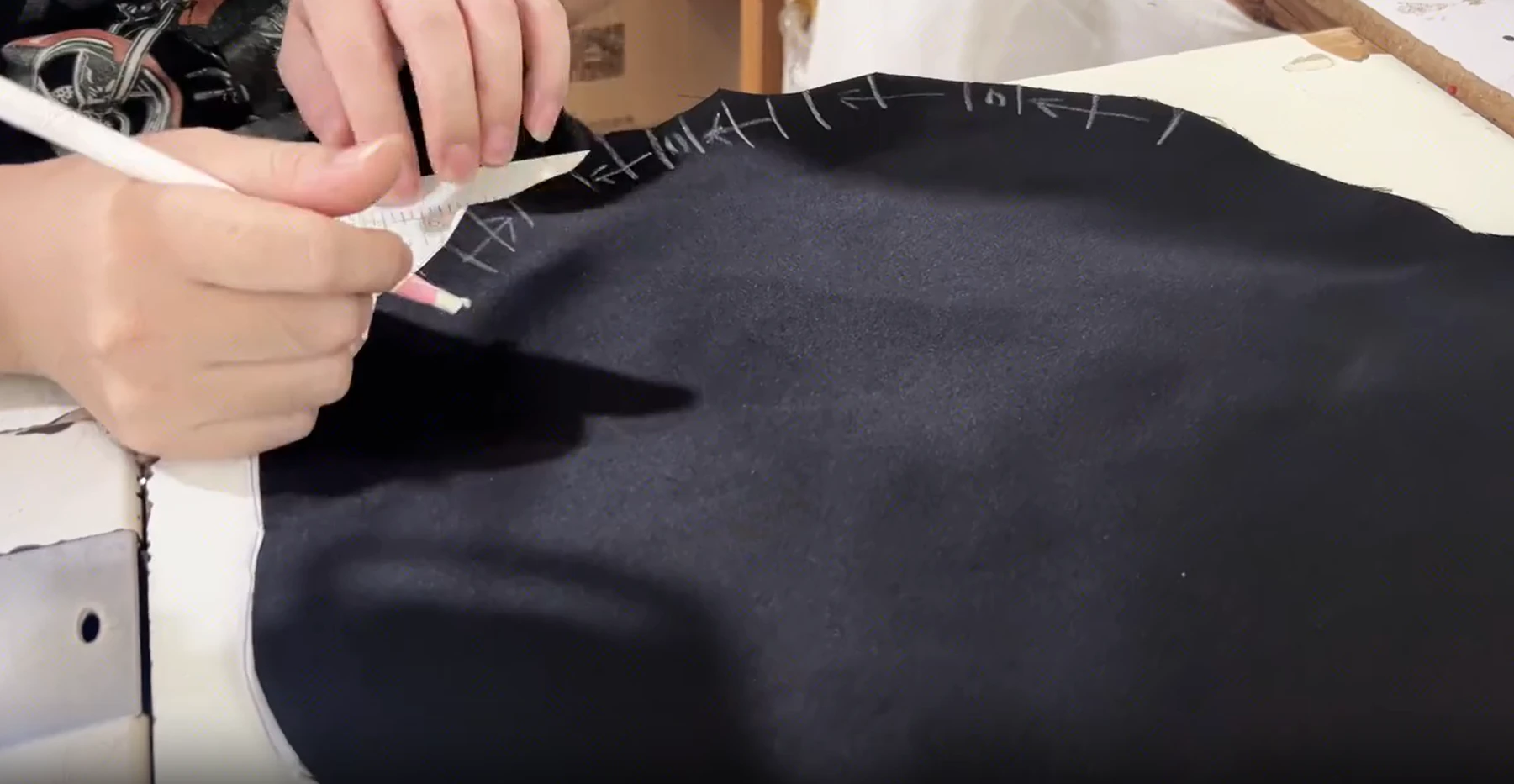
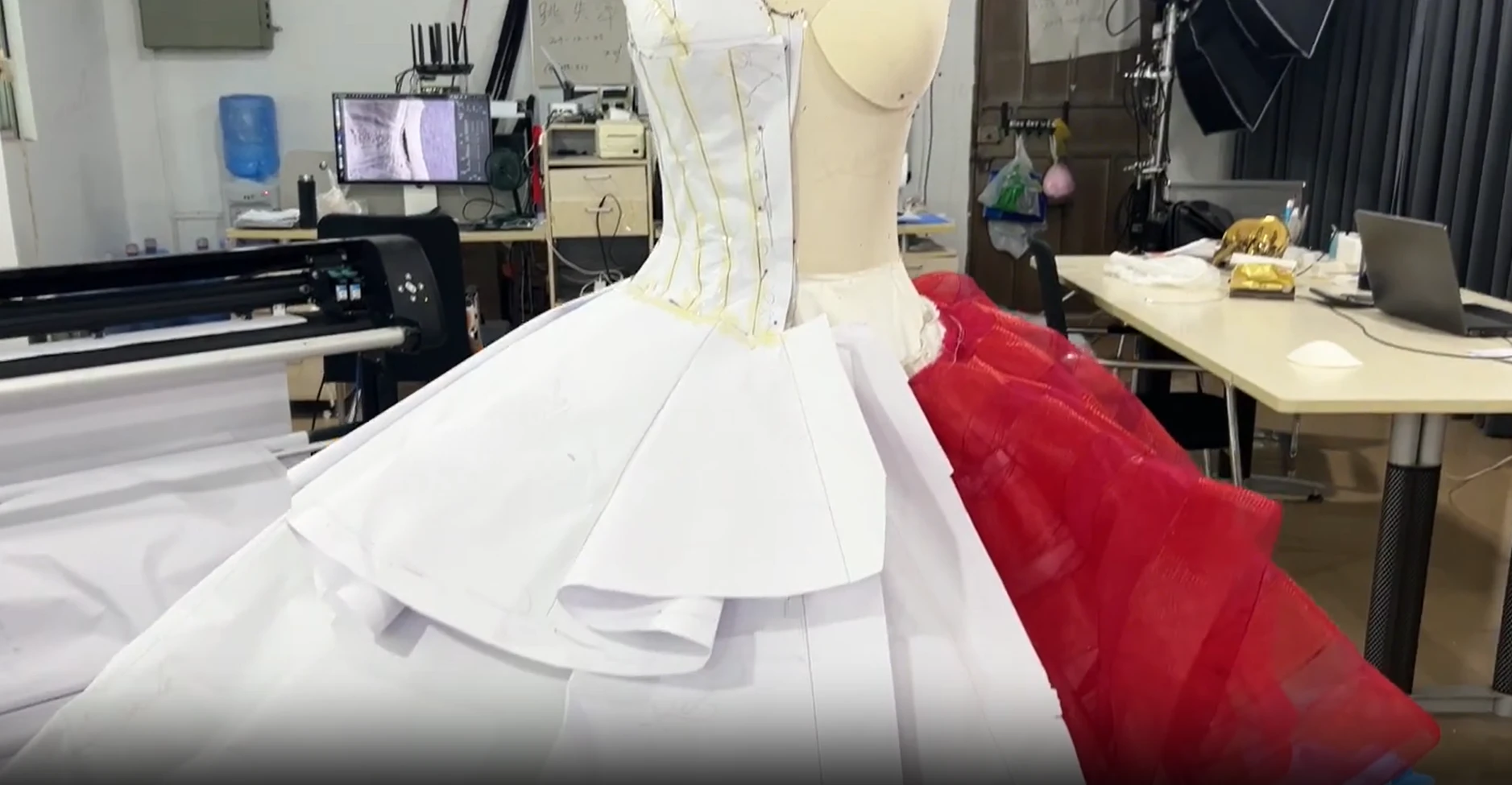
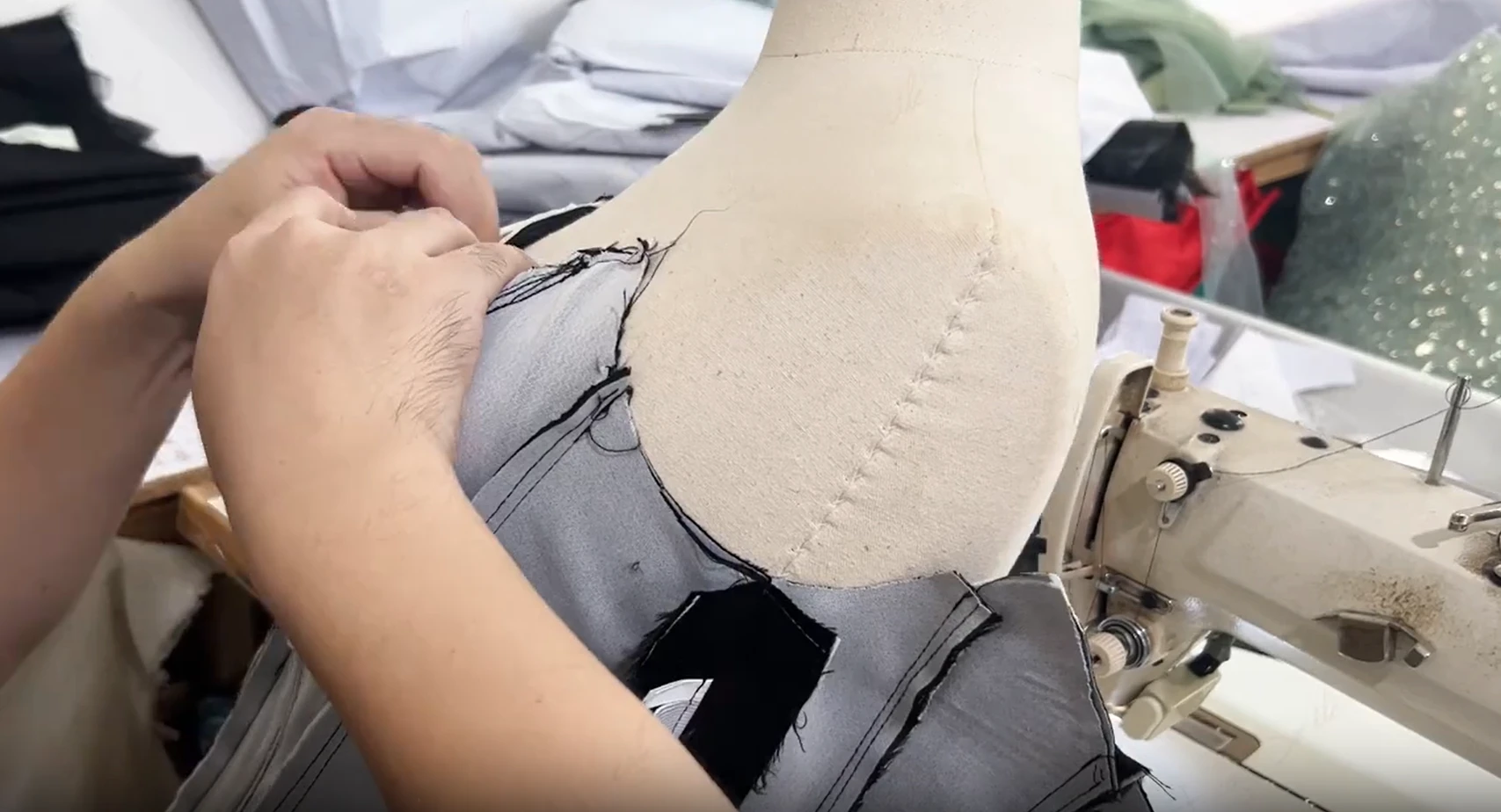
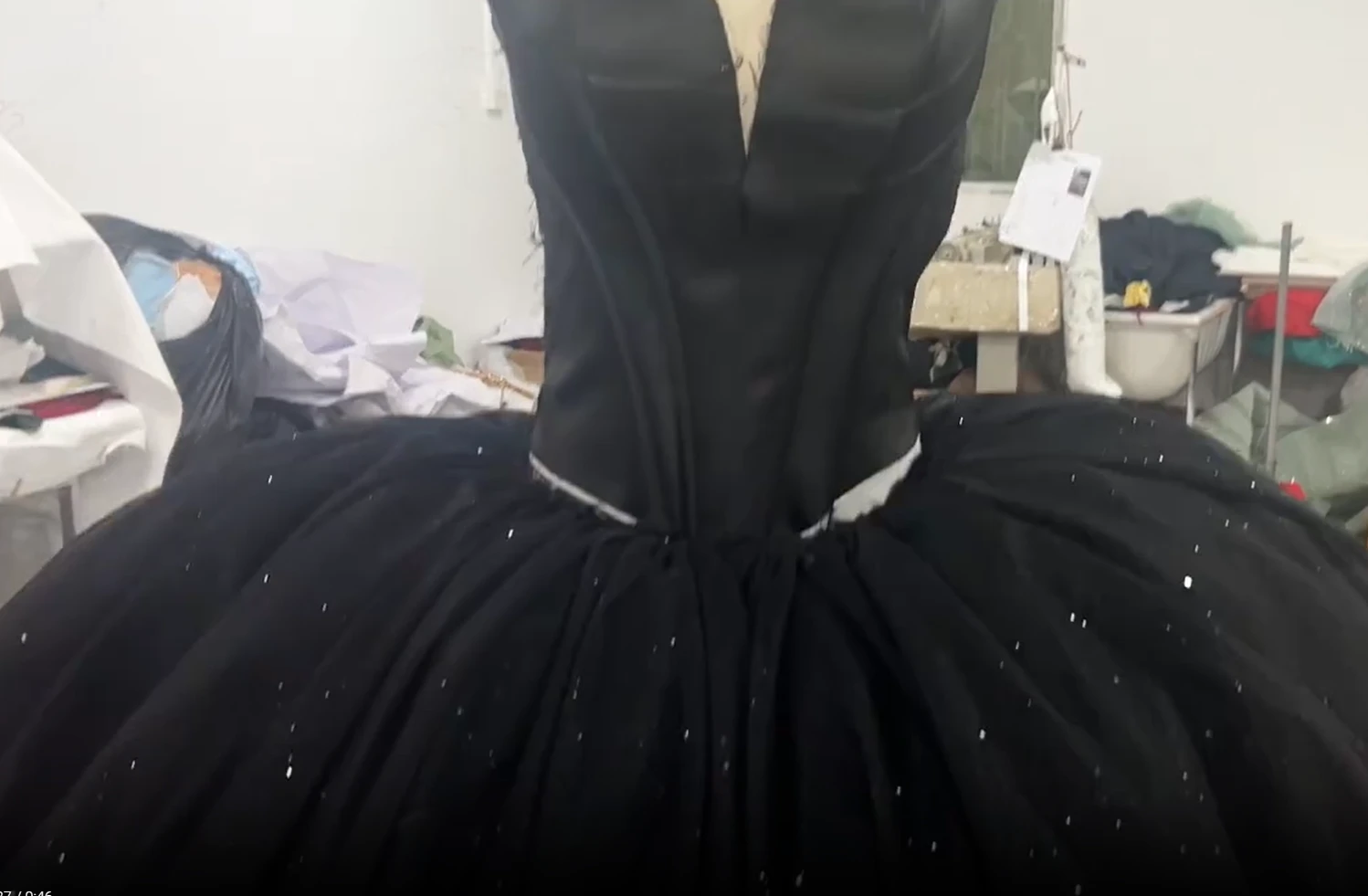
Before the black satin was cut, we worked through the silhouette with a toile on the dress form. The sweetheart neckline, waist position and skirt proportions all had to be established before the decorative work could begin.
A multi piece gown needs particular attention at this stage. When the jacket comes off or the overskirt is removed, the underlying corset and shorter base still need to have a finished, deliberate shape. That foundation is what allows a transformable prom dress to feel like one complete design rather than several unrelated pieces.
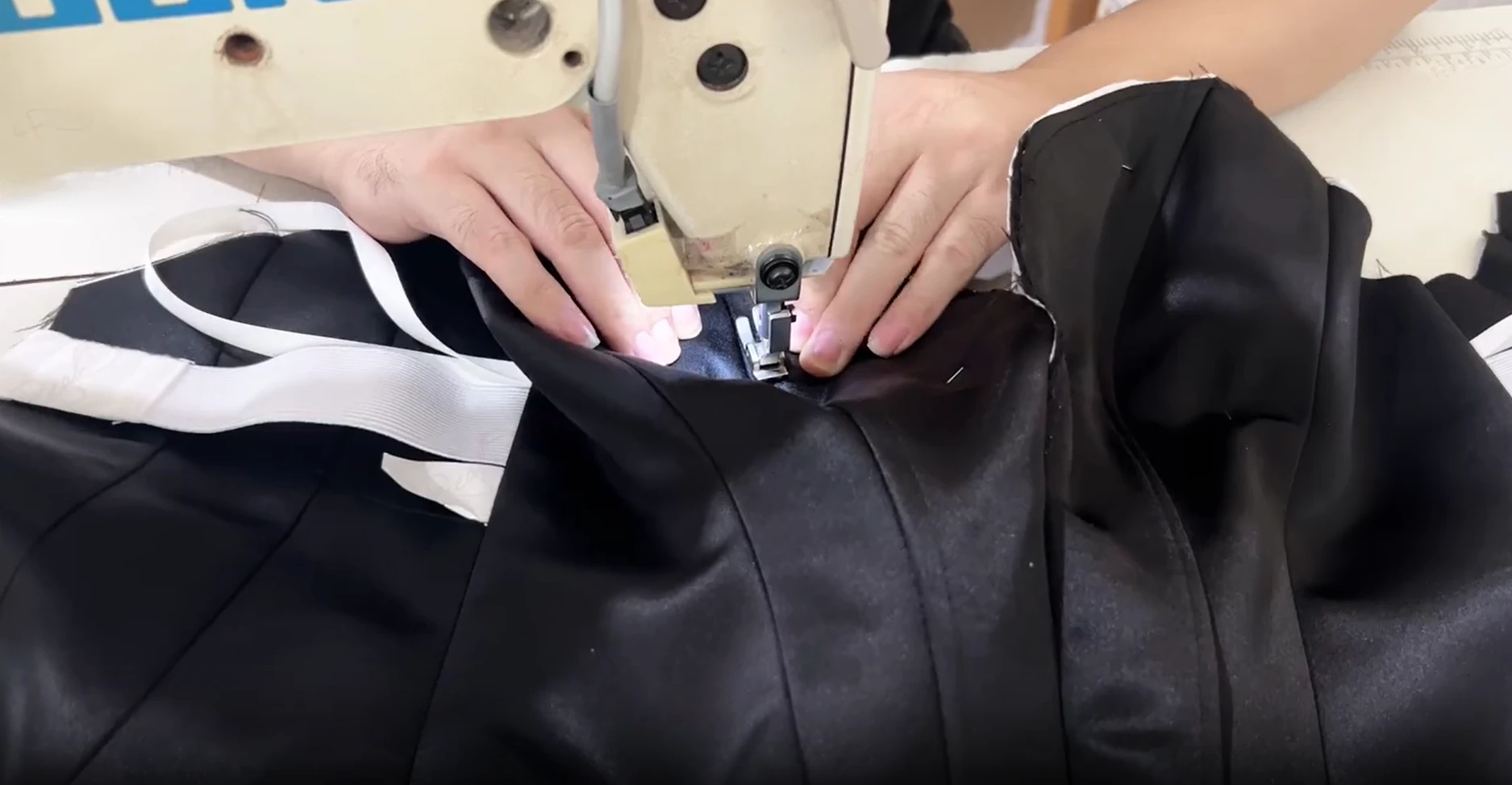
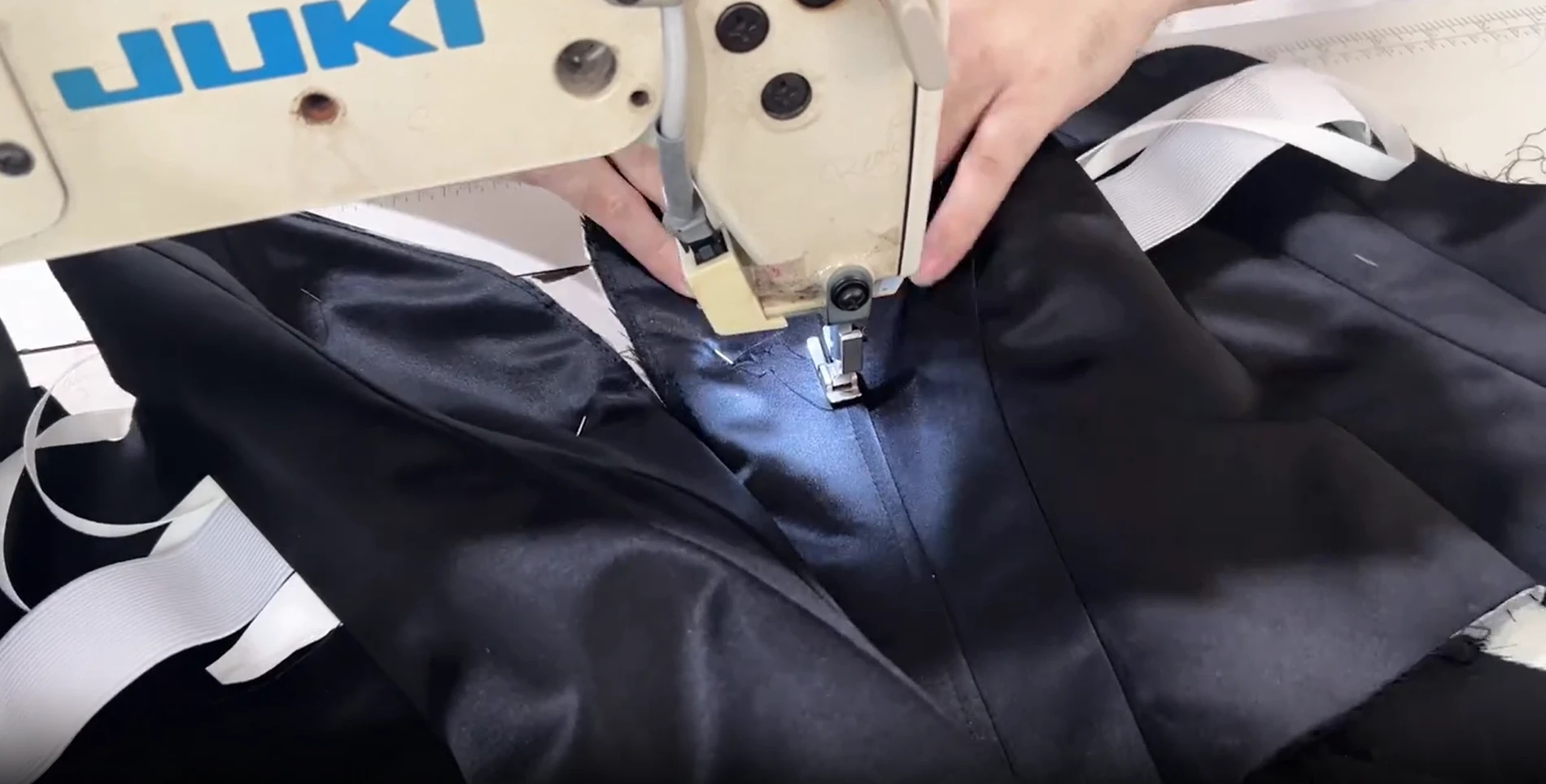
Black satin shows everything.
The fabric was fed through the industrial machine carefully, keeping the seams smooth and the tension even. With satin, rushing one section can leave a ripple that remains visible long after the sewing is finished. Clean construction matters even more when the finished piece is a black satin prom dress, where the surface reflects light across every seam.
The Detail That Changes the Black
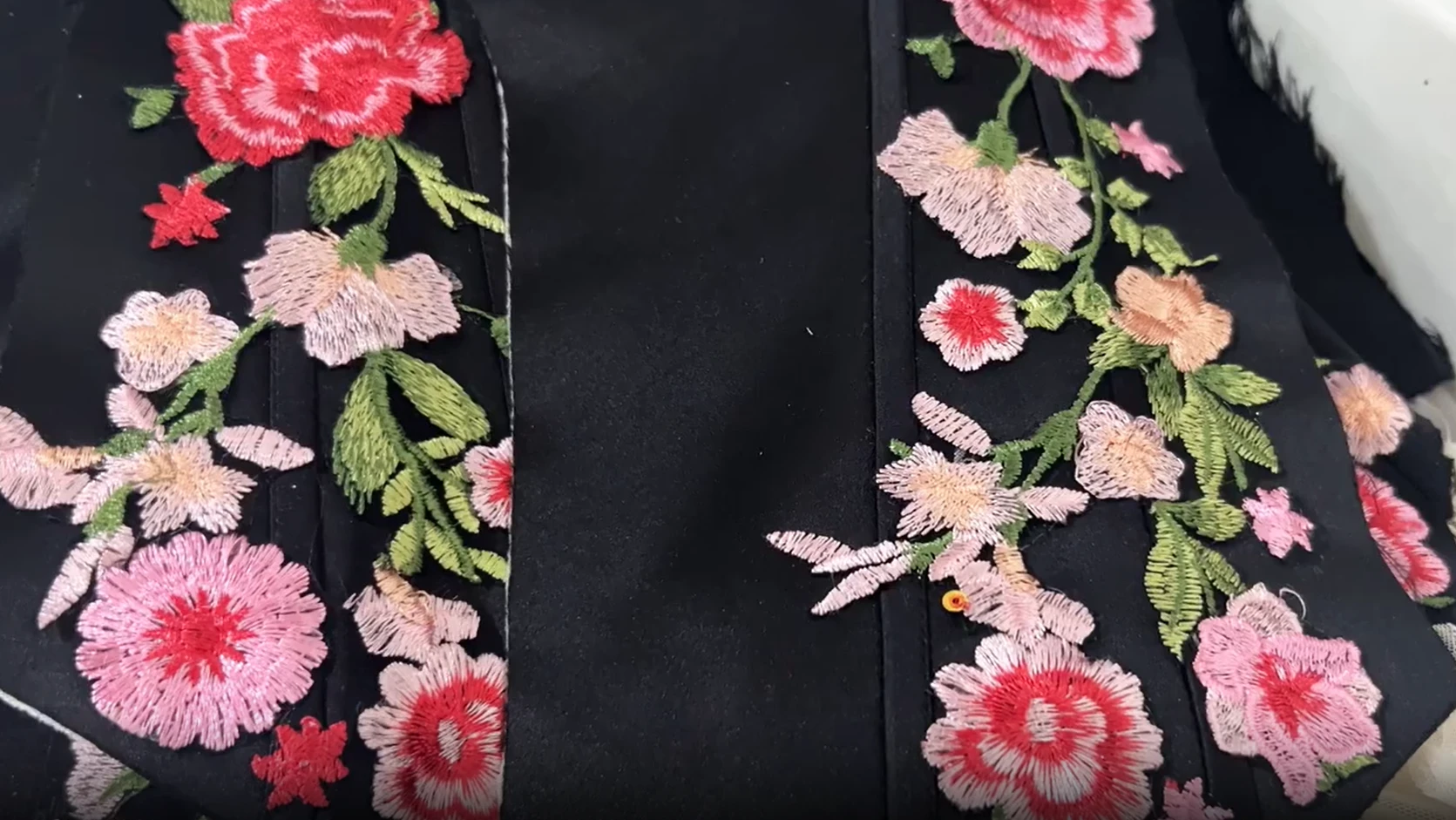
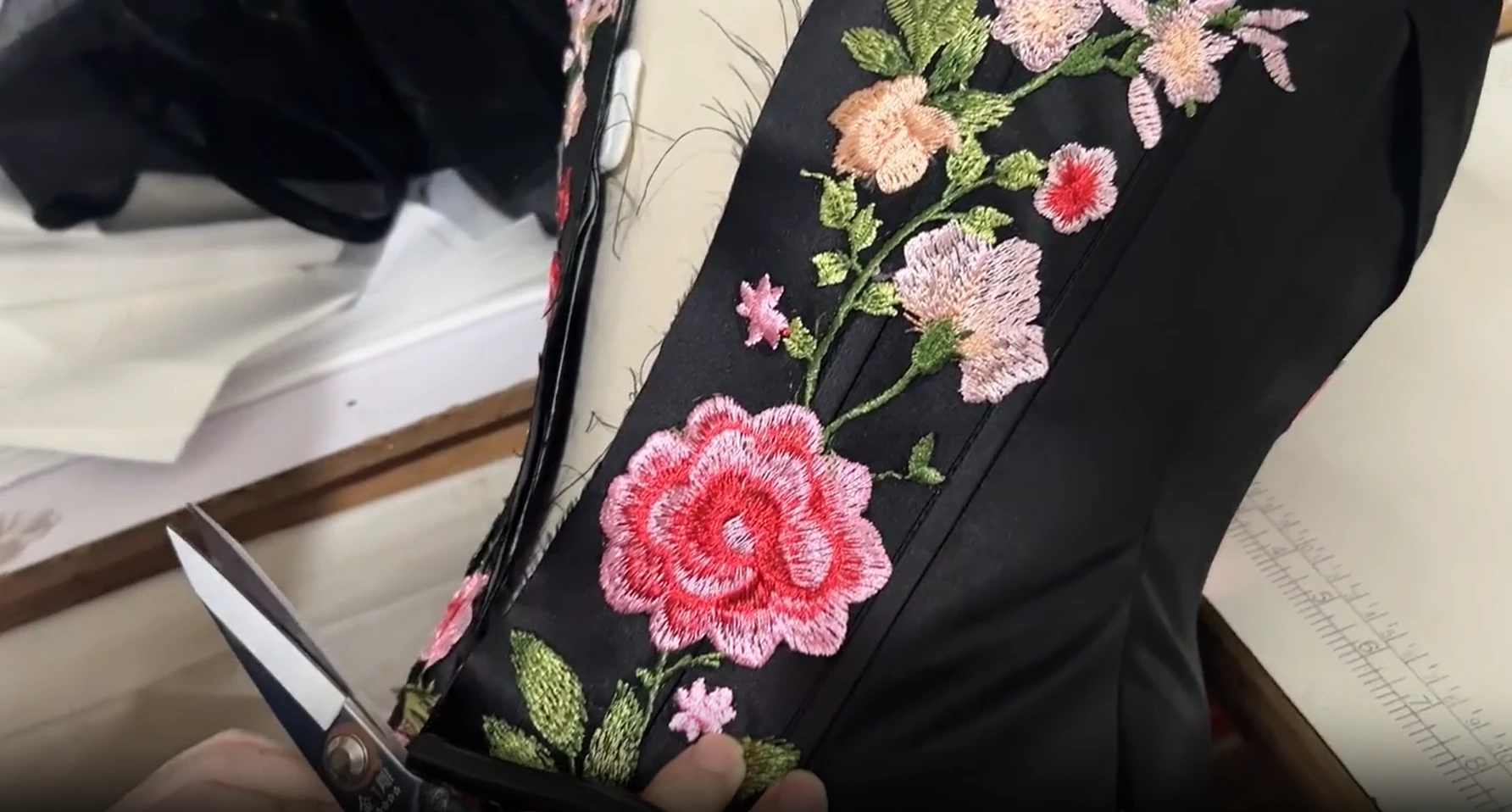
The roses are the visual heart of the gown. Pink and red blooms sit against the black base, with hand embroidery giving the surface a texture that printed decoration cannot create. Against the dark satin, even a small change in thread, density or placement becomes part of the overall composition.
Instead of treating the embroidery as a final layer added after construction, the embellished panels were considered alongside the shape of the bodice. The position of each flower matters because the fabric will eventually curve around the body.
Volume Comes From the Layers Beneath
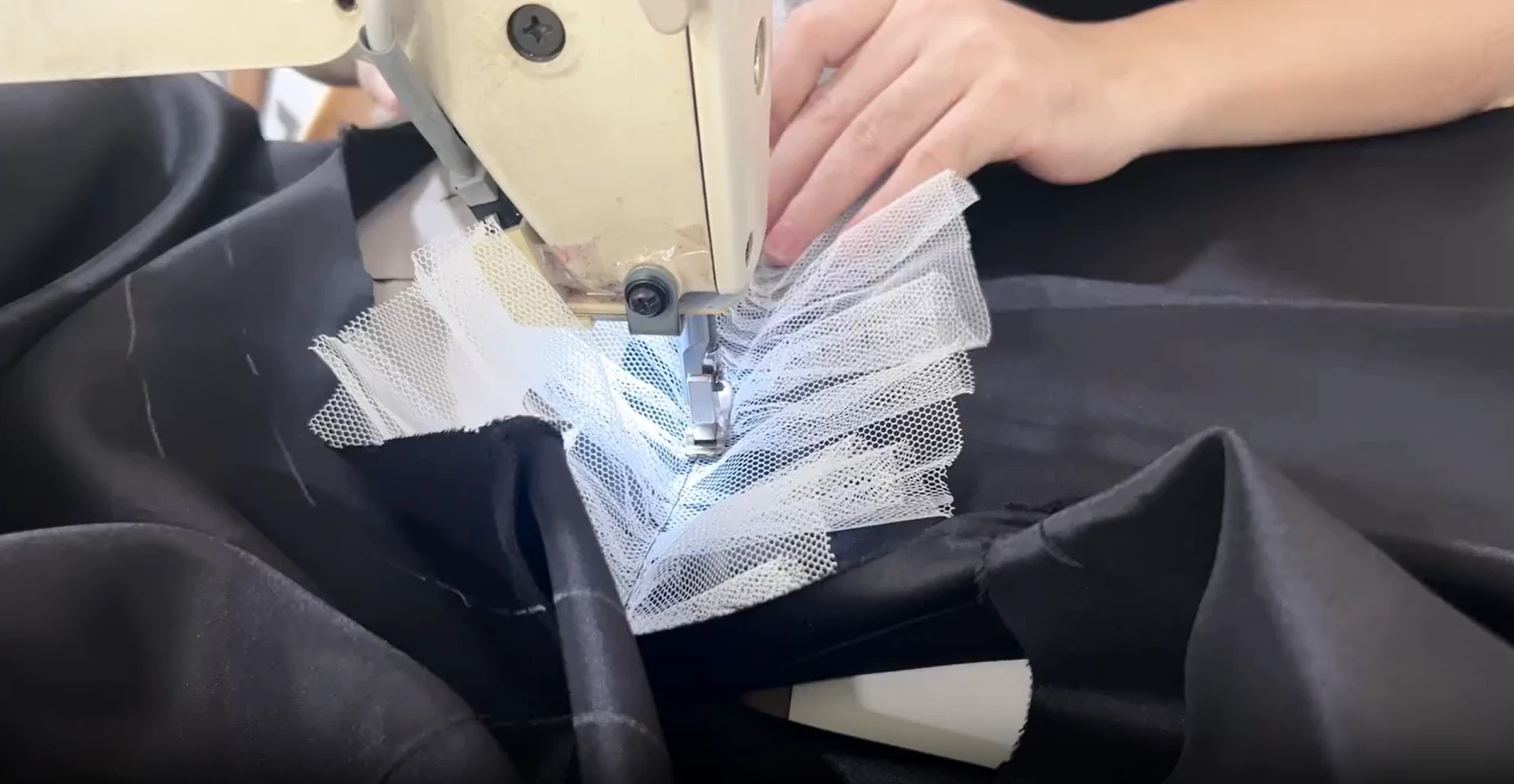
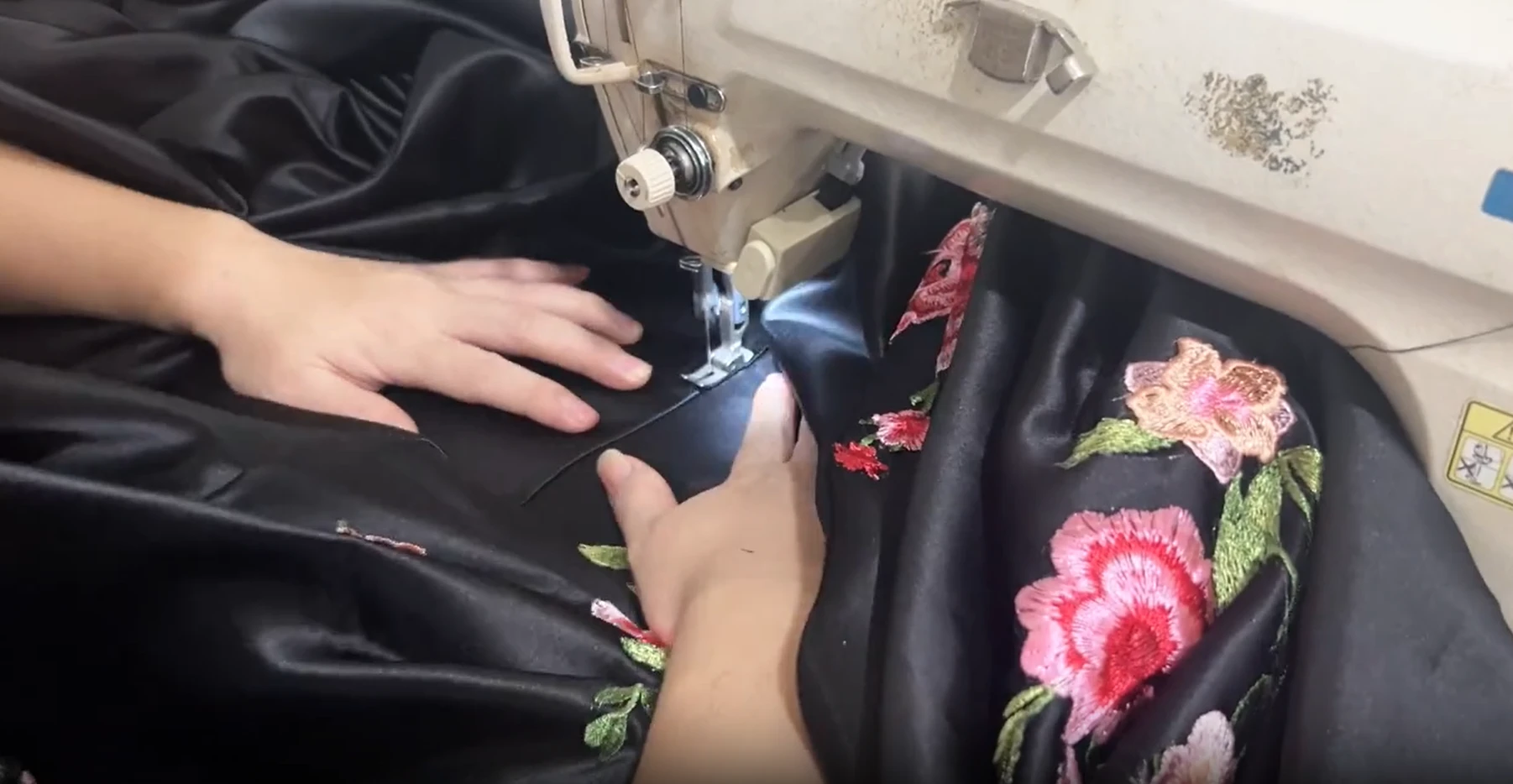
The volume of the ball gown comes from what sits underneath the visible layers. White net is gathered over black tulle to create contrast and body without making the outer skirt look stiff.
The layers were tested together before the final skirt was assembled. The aim was a full silhouette that still responded naturally when the wearer walked or turned. For a dramatic black ball gown, movement is just as important as volume.
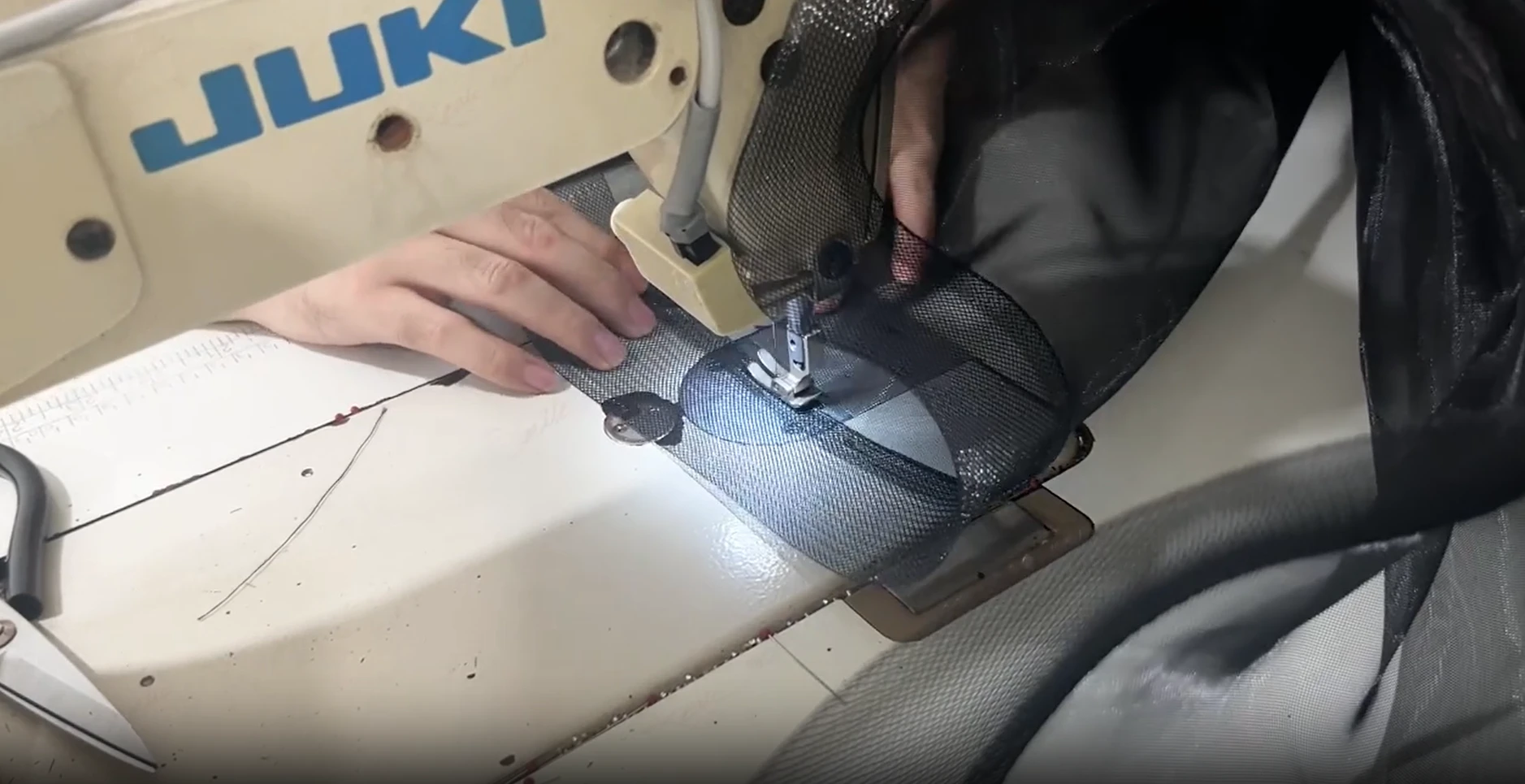
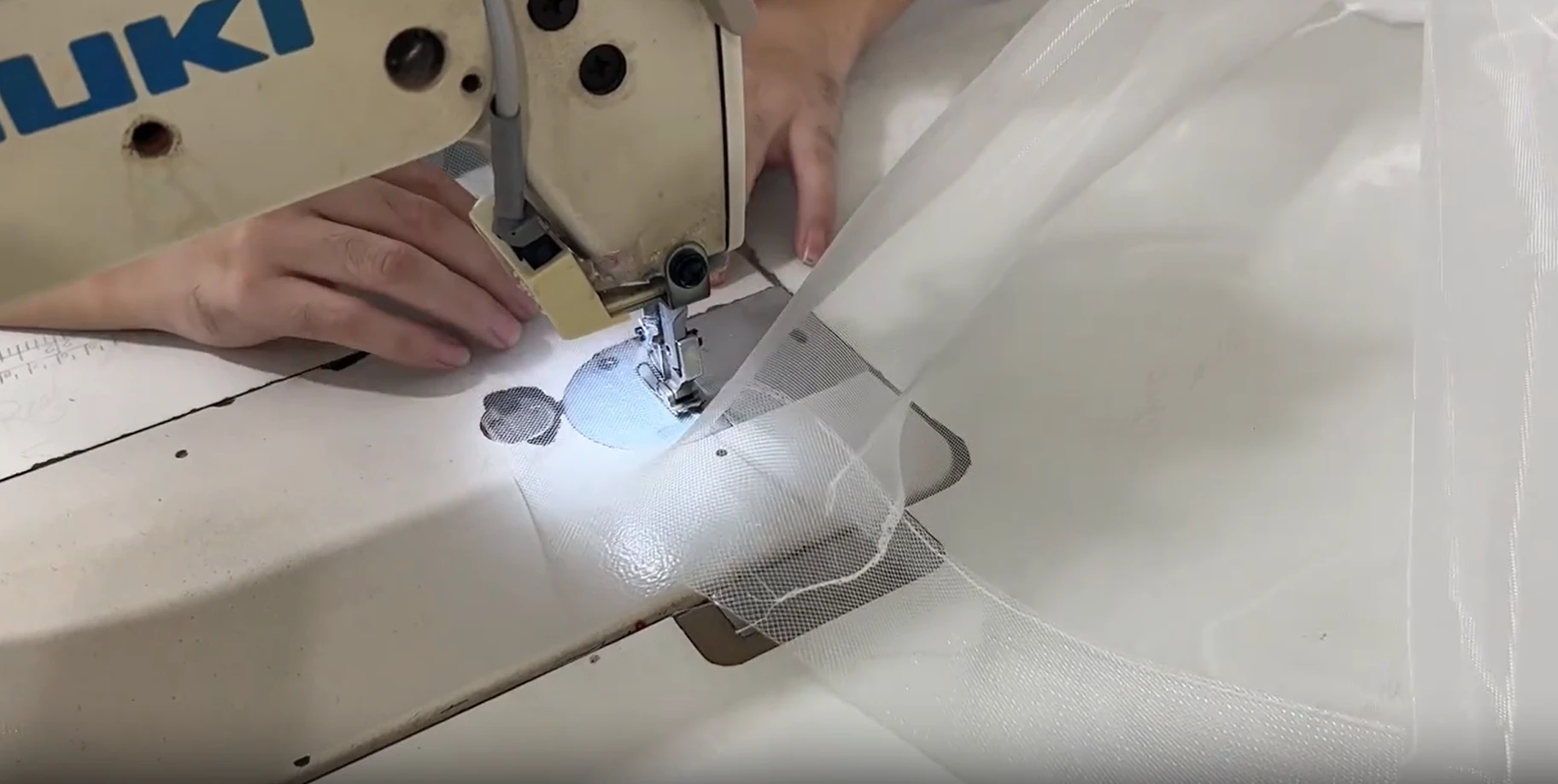
Different layers behave differently under the needle. The darker satin requires controlled handling, while lighter net and tulle need to be guided without stretching the fabric out of shape.
Working slowly at these stages makes the later fitting easier. A clean foundation gives the finished gown the flexibility it needs when the different components are attached and removed.
Six Visible Looks
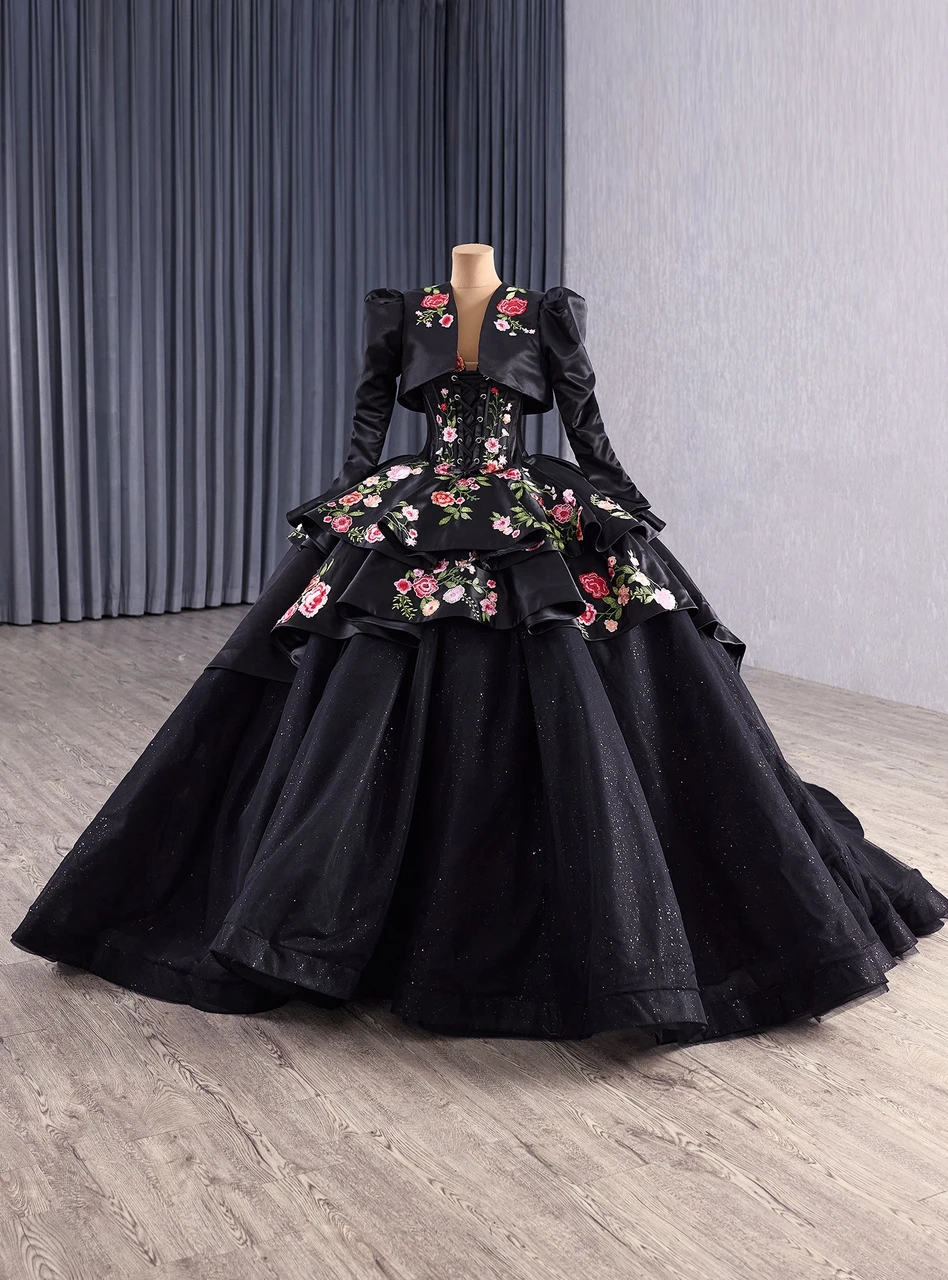
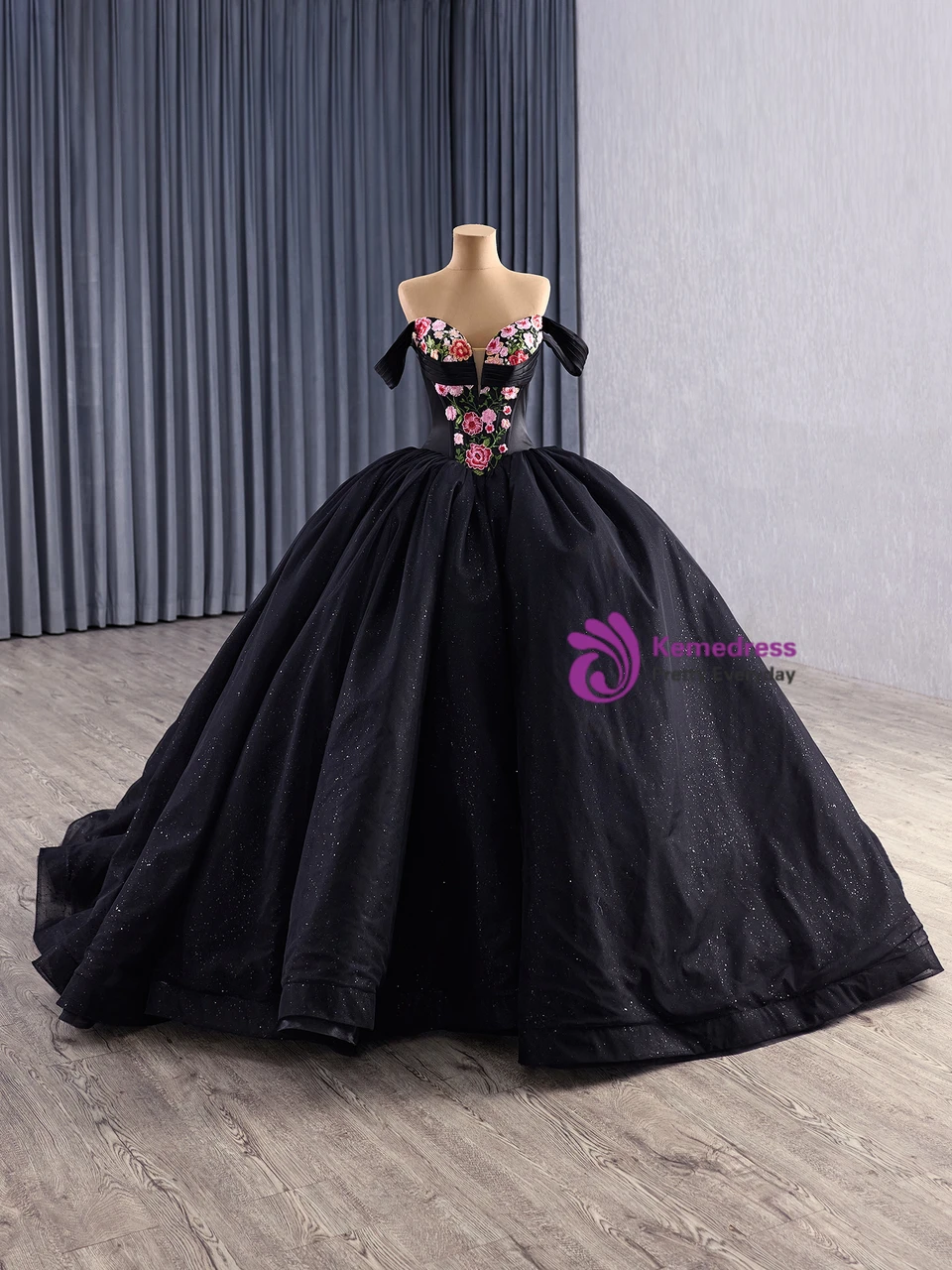
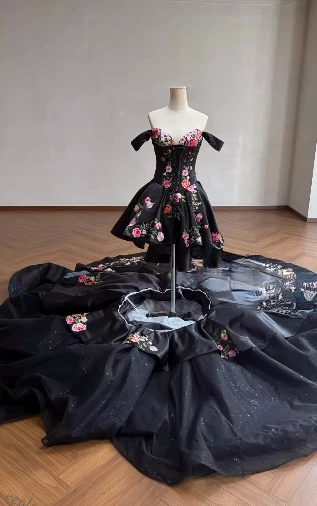
The finished gown can shift dramatically depending on which pieces are worn together, turning one black embroidered gown into six distinct looks.


A Transformable Dress Still Has to Fit as One Dress
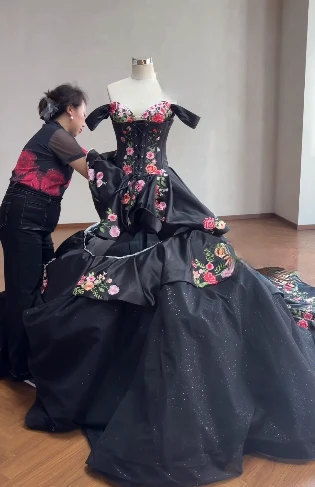
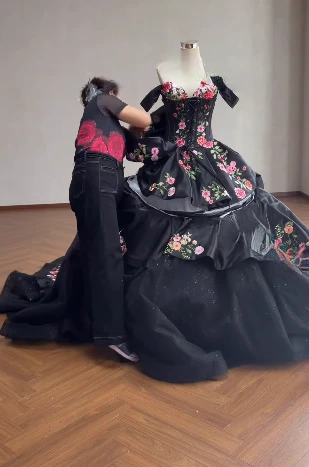
The fitting is where the separate construction decisions have to work together. The waist must remain secure, the neckline must sit correctly and the detachable sections need to connect without disturbing the underlying silhouette.
We make adjustments on the form first, then check the gown on the wearer. Small changes in the position of a closure or seam can affect how an overskirt falls, so each component is checked as part of the complete outfit.
From Workshop Pieces to One Complete Gown
Once the embroidery, satin construction, layered skirt and detachable pieces were finished, the gown finally became what we had planned from the beginning: one design with several distinct personalities.
The full silhouette brings the drama of a traditional ball gown. Remove the outer layers and the embroidered base becomes lighter and easier to move in. Change the corset orientation and the mood changes again. The short version takes the same handwork into an entirely different setting.
The more ways a gown can be worn, the more carefully each individual piece has to be made.
That is the part of transformable dressmaking that is easy to miss. The finished effect may look effortless, but every seam, closure, embroidered panel and layer has to work on its own before the complete gown can work as a whole.
The Dark Rose was made as a study in contrast: black satin against soft tulle, dark fabric against bright roses, and a dramatic full skirt against a much shorter silhouette.
Its hand embroidered surface is what gives the gown its character, but the transformation is what gives the design its range. For those who appreciate intricate construction and distinctive finishing, it sits naturally within our collection of haute couture prom dresses.
The finished design is available to explore as the black satin appliqué gown, where the full construction and transformable details come together.
One black gown. Six distinct looks. Hours of careful construction behind every transformation.
Explore the GownDocumented inside the Kemedress atelier, from the first toile and fabric preparation to embroidery, fitting and the finished transformable gown.
More Behind the Making
Explore how silhouette, skirt structure, fabric weight and convertible details influence the final gown.
Go behind the scenes of a structured emerald green ball gown.
Compare two skirt construction methods used with heavier satin fabrics.
See how fabric becomes a finished custom gown through multiple stages.
Learn how convertible construction creates two distinct formal looks.